



NEWS


Understanding Malt Equipment: Essential Insights for the Brewing Industry
Release time:
Jul 07,2026
Malt equipment plays a pivotal role in the brewing industry, facilitating the transformation of raw grains into malt, which serves as a fundamental ingredient in beer production. Understanding the intricacies of malt equipment can greatly enhance efficiency and product quality in any brewing operation. At the core of malt equipment is the malting process, which involves soaking grains (usually bar
Malt equipment plays a pivotal role in the brewing industry, facilitating the transformation of raw grains into malt, which serves as a fundamental ingredient in beer production. Understanding the intricacies of malt equipment can greatly enhance efficiency and product quality in any brewing operation.
At the core of malt equipment is the malting process, which involves soaking grains (usually barley) in water to stimulate germination. This process is followed by drying the grains in a kiln to halt germination, resulting in malted barley. The primary components of malt equipment include steeping vessels, germination boxes, and kilns, each designed to optimize specific stages of this process.
**1. Steeping Vessels:** These are used to hydrate the grains. The steeping process is critical as it activates enzymes that are beneficial during the mashing process. Modern steeping vessels often include automation features that allow for precise control of temperature and water levels, ensuring consistent quality.
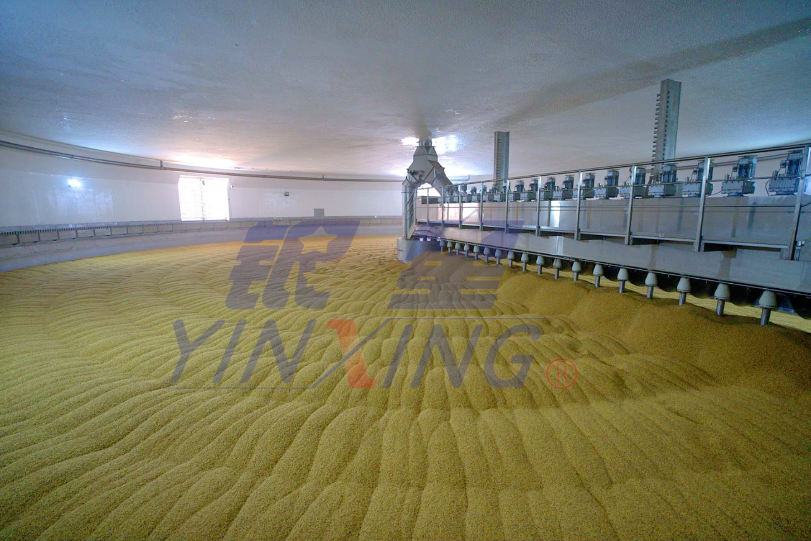
**2. Germination Boxes:** After steeping, grains are spread in germination boxes where they sprout. This stage is vital for developing the enzymes necessary for converting starches into fermentable sugars. Equipment designed for this process typically features climate control systems that maintain optimal humidity and temperature, promoting uniform germination.
**3. Kilns:** Once germination is complete, the grains must be dried in kilns. This stage not only stops the germination process but also develops flavor and color in the malt. Kilns are designed to provide controlled heat and airflow, which are crucial for achieving the desired malt characteristics. Advanced kilning technology allows for precise adjustments, influencing the final product's taste profile.
In addition to these core components, malt equipment also includes auxiliary machinery such as conveyors, grinders, and sifters, which support the efficient handling and processing of malt. Understanding the synergy between these pieces of equipment can significantly enhance overall production efficiency.
Moreover, the design and maintenance of malt equipment are critical for ensuring consistent quality and minimizing downtime. Regular maintenance checks, calibration, and upgrades can enhance the performance and lifespan of the equipment. Investing in high-quality malt equipment not only impacts the immediate production cycle but also has long-term benefits for product quality and brand reputation.
In conclusion, malt equipment is essential for any brewing operation, influencing both the efficiency of production and the quality of the final product. By understanding the various components and their roles, industry professionals can make informed decisions that elevate their brewing processes. Emphasizing precision, automation, and regular maintenance will ensure that malt equipment continues to deliver optimal performance in an ever-evolving market.
At the core of malt equipment is the malting process, which involves soaking grains (usually barley) in water to stimulate germination. This process is followed by drying the grains in a kiln to halt germination, resulting in malted barley. The primary components of malt equipment include steeping vessels, germination boxes, and kilns, each designed to optimize specific stages of this process.
**1. Steeping Vessels:** These are used to hydrate the grains. The steeping process is critical as it activates enzymes that are beneficial during the mashing process. Modern steeping vessels often include automation features that allow for precise control of temperature and water levels, ensuring consistent quality.
**2. Germination Boxes:** After steeping, grains are spread in germination boxes where they sprout. This stage is vital for developing the enzymes necessary for converting starches into fermentable sugars. Equipment designed for this process typically features climate control systems that maintain optimal humidity and temperature, promoting uniform germination.
**3. Kilns:** Once germination is complete, the grains must be dried in kilns. This stage not only stops the germination process but also develops flavor and color in the malt. Kilns are designed to provide controlled heat and airflow, which are crucial for achieving the desired malt characteristics. Advanced kilning technology allows for precise adjustments, influencing the final product's taste profile.
In addition to these core components, malt equipment also includes auxiliary machinery such as conveyors, grinders, and sifters, which support the efficient handling and processing of malt. Understanding the synergy between these pieces of equipment can significantly enhance overall production efficiency.
Moreover, the design and maintenance of malt equipment are critical for ensuring consistent quality and minimizing downtime. Regular maintenance checks, calibration, and upgrades can enhance the performance and lifespan of the equipment. Investing in high-quality malt equipment not only impacts the immediate production cycle but also has long-term benefits for product quality and brand reputation.
In conclusion, malt equipment is essential for any brewing operation, influencing both the efficiency of production and the quality of the final product. By understanding the various components and their roles, industry professionals can make informed decisions that elevate their brewing processes. Emphasizing precision, automation, and regular maintenance will ensure that malt equipment continues to deliver optimal performance in an ever-evolving market.
keywords
Previous Page:

What we offered to customers shall be our excellent products and distinguished services; our promises to customers shall be above anything else.


SAF Coolest v1.3.1.2 设置面板 TJHSD-ZFTW-WDZAE-ZSX
无数据提示
Sorry, the current column is being updated, please stay tuned!
You can view other sections or go back HOME