



NEWS



How to Optimize Your Malting System for Maximum Yield
Release time:
Jul 06,2026
How to Optimize Your Malting System for Maximum Yield Table of Contents 1. Understanding the Malting Process 2. Importance of Quality Barley Selection 3. Key Components of a Malting System 3.1. Steeping Equipment 3.2. Germination Systems 3.3. Kilning Process 4. Optimal Steeping Conditions for Maximum Yield 5. Controlling Germination: Techniques for Success 6. The Kilning Stage:
How to Optimize Your Malting System for Maximum Yield
Table of Contents
1. Understanding the Malting Process
2. Importance of Quality Barley Selection
3. Key Components of a Malting System
3.1. Steeping Equipment
3.2. Germination Systems
3.3. Kilning Process
4. Optimal Steeping Conditions for Maximum Yield
5. Controlling Germination: Techniques for Success
6. The Kilning Stage: Finding the Perfect Balance
7. Regular Maintenance for Longevity and Efficiency
8. Conclusion
FAQs
1. Understanding the Malting Process
Malting is a crucial step in the production of malt, primarily for brewing and distilling. The malting process involves three key stages: steeping, germination, and kilning. Understanding each stage's role is vital for optimizing your malting system for maximum yield.
During steeping, barley grains absorb water, which initiates germination. This stage is critical as it sets the foundation for enzyme development, which is essential for converting starches into fermentable sugars. Following steeping, the grains are germinated, allowing the enzymes to activate. Finally, in the kilning stage, the germinated grains are dried to halt the germination process and develop the desired flavor profiles.
2. Importance of Quality Barley Selection
The quality of barley plays a significant role in the malting process. Selecting high-quality barley varieties with optimal germination rates and low moisture content is essential for achieving maximum yield. Factors such as protein content, kernel plumpness, and absence of disease should be considered to ensure consistent performance throughout the malting process.
By focusing on the selection of superior barley, you can greatly enhance the efficiency of your malting system. High-quality barley reduces the risk of germination failure and leads to a more uniform product, allowing for better control over the subsequent stages of malting.
3. Key Components of a Malting System
Understanding the critical components of your malting system will help streamline processes and enhance yield.
3.1. Steeping Equipment
The steeping phase is pivotal in the malting procedure. Employing the right steeping equipment can significantly influence water absorption rates. Consider incorporating programmable steeping tanks with automated water level controls, allowing for precise management of moisture levels.
3.2. Germination Systems
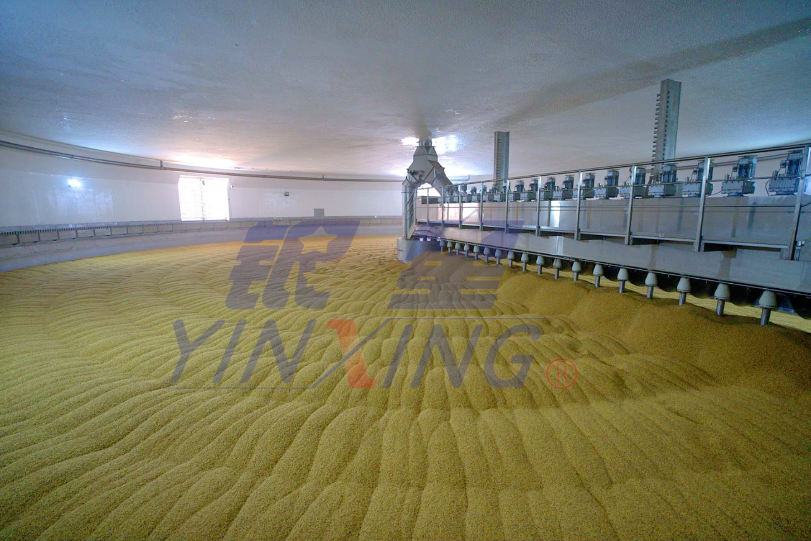
A well-designed germination system ensures uniform growth and enzyme activation. Features such as adjustable airflow, temperature controls, and humidity management systems are essential to maintaining optimal conditions. Regular monitoring of germination progress using advanced sensors can help to identify issues early and improve overall yield.
3.3. Kilning Process
Kilning is the final stage of malting, and it requires careful control of temperature and airflow. Implementing state-of-the-art kilns that allow for real-time temperature monitoring can significantly enhance the drying process. Utilizing a modular kiln design can also aid in customizing the drying profiles based on the specific requirements of various malt types.
4. Optimal Steeping Conditions for Maximum Yield
Steeping is not merely about soaking grains; it involves creating the right conditions for water absorption. Ideal steeping conditions include maintaining water temperatures between 15°C to 20°C (59°F to 68°F) and ensuring adequate aeration during the steeping process. Regular water changes enhance oxygen levels, which help promote healthy germination and enzyme activity.
Utilizing a graduated steeping schedule can further optimize yield. This method involves varying steeping times and water temperatures based on the barley variety, allowing for a more tailored approach to water absorption.
5. Controlling Germination: Techniques for Success
The germination phase is where the magic happens. To optimize this stage, careful control over temperature, moisture, and airflow is paramount. Maintaining temperatures between 14°C to 18°C (57°F to 65°F) encourages enzyme production while preventing excessive heat that could inhibit germination.
Employing wetting and drying cycles can also enhance enzyme activation. By alternating between periods of high humidity and lower humidity, you can promote the development of enzymes crucial for starch conversion.
Regularly inspecting germination progress is essential. Implementing a system for evaluating root growth and acrospire length can help ensure optimal germination conditions.
6. The Kilning Stage: Finding the Perfect Balance
Kilning is where the final product takes shape, and finding the right balance in this stage is essential for achieving maximum yield. Aim for gradual temperature increases during the initial drying phase to prevent overheating and to maintain enzyme activity.
As the grains dry, carefully manage airflow rates to promote even drying and prevent the development of off-flavors. Incorporating advanced moisture sensors into your kilning process can help maintain optimal moisture content, resulting in a higher quality malt.
Moreover, consider using flavor development techniques, such as caramelization, during the kilning process. This adds complexity to the flavor profile while still focusing on maximizing yield.
7. Regular Maintenance for Longevity and Efficiency
A well-maintained malting system is critical for achieving consistent results. Regular inspections and maintenance of all equipment will prevent breakdowns and downtime, which can adversely affect yield. Establish a routine for cleaning steeping tanks, germination boxes, and kilns to prevent contamination and ensure optimal performance.
Training staff on proper equipment handling and maintenance procedures is equally important. By fostering a culture of care and diligence, your team can significantly contribute to the longevity and efficiency of your malting system.
8. Conclusion
Optimizing your malting system for maximum yield requires a deep understanding of the entire malting process, from barley selection to equipment maintenance. By focusing on quality inputs, implementing advanced technologies, and maintaining strict control over each stage of production, you can achieve outstanding results and enhance the overall efficiency of your malting operations. Regular evaluation and adaptation of your processes will ensure that your malting system remains competitive and continues to produce high-quality malt.
FAQs
1. What barley varieties are best for malting?
Choosing two-row barley varieties known for their high germination rates and low protein content is usually best. Varieties such as 'Harrington' and 'Pilsner' are popular among maltsters.
2. How does temperature affect the malting process?
Temperature plays a crucial role in enzyme activity during germination and can influence the flavor and color of the final malt product. Maintaining optimal temperatures is essential throughout the malting stages.
3. Why is moisture control important during kilning?
Moisture control during kilning helps prevent overheating, which can lead to the loss of desirable flavors and aromas in the malt. Proper moisture levels also ensure a uniform drying process.
4. How can I improve the efficiency of my malting system?
Investing in technology for monitoring and automating critical processes, regular maintenance, and continuous staff training can significantly enhance system efficiency.
5. What are common pitfalls to avoid in the malting process?
Common pitfalls include poor quality barley selection, inadequate moisture management, and neglecting regular equipment maintenance. Each of these can adversely affect yield and malt quality.
keywords
Previous Page:

What we offered to customers shall be our excellent products and distinguished services; our promises to customers shall be above anything else.


SAF Coolest v1.3.1.2 设置面板 TJHSD-ZFTW-WDZAE-ZSX
无数据提示
Sorry, the current column is being updated, please stay tuned!
You can view other sections or go back HOME