



NEWS

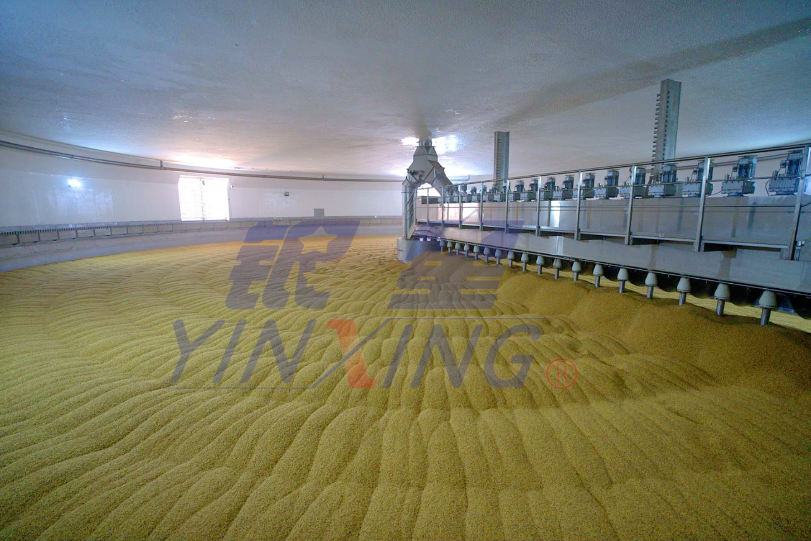


Understanding Germination Equipment: Essential Tools for Successful Seed Growth
Release time:
Jul 05,2026
Germination equipment consists of a variety of specialized tools and machines designed to enhance the germination process of seeds. Proper germination is critical for ensuring high-quality yields in agriculture and horticulture. Various factors, such as temperature, humidity, and light, can significantly affect the germination rate. Therefore, investing in the right germination equipment is essent
Germination equipment consists of a variety of specialized tools and machines designed to enhance the germination process of seeds. Proper germination is critical for ensuring high-quality yields in agriculture and horticulture. Various factors, such as temperature, humidity, and light, can significantly affect the germination rate. Therefore, investing in the right germination equipment is essential for manufacturers looking to streamline production and enhance seedling quality.
One of the primary types of germination equipment is seed germination trays. These trays are designed to hold seeds and provide them with the necessary conditions for germination, such as moisture retention and aeration. Typically made from durable materials, these trays often come with drainage holes to prevent waterlogging, which can be detrimental to seed health. Using trays that are appropriate for the specific type of seed can lead to improved germination rates and healthier seedlings.
Another vital component of germination equipment is the germination chamber. These chambers create a controlled environment with precise temperature and humidity levels tailored to the needs of various seed types. Advanced germination chambers are equipped with digital controls, allowing users to monitor and adjust conditions easily. This technology can help manufacturers achieve consistent results, thereby improving their overall production efficiency.
For those looking to enhance their capabilities further, automation in germination equipment has become increasingly popular. Automated systems can manage the watering, lighting, and temperature control processes, reducing the labor required and minimizing human error. Such systems often employ sensors and programmable logic controllers (PLCs) to maintain optimal growing conditions, which can lead to higher germination rates and uniform growth among seedlings.
It is also essential to consider the materials used in germination equipment. Eco-friendly options, made from biodegradable materials, are gaining traction in the market. These products not only contribute to sustainability efforts but also meet the growing consumer demand for environmentally responsible farming practices.
In conclusion, the effectiveness of germination equipment directly impacts the success of seed growth and, consequently, agricultural productivity. Manufacturers in the machinery sector must prioritize the selection and use of appropriate germination equipment to ensure optimal conditions for seed germination. By investing in quality germination trays, controlled germination chambers, and advanced automation technologies, businesses can significantly enhance their production capabilities and contribute to a more sustainable future in agriculture.
One of the primary types of germination equipment is seed germination trays. These trays are designed to hold seeds and provide them with the necessary conditions for germination, such as moisture retention and aeration. Typically made from durable materials, these trays often come with drainage holes to prevent waterlogging, which can be detrimental to seed health. Using trays that are appropriate for the specific type of seed can lead to improved germination rates and healthier seedlings.
Another vital component of germination equipment is the germination chamber. These chambers create a controlled environment with precise temperature and humidity levels tailored to the needs of various seed types. Advanced germination chambers are equipped with digital controls, allowing users to monitor and adjust conditions easily. This technology can help manufacturers achieve consistent results, thereby improving their overall production efficiency.
For those looking to enhance their capabilities further, automation in germination equipment has become increasingly popular. Automated systems can manage the watering, lighting, and temperature control processes, reducing the labor required and minimizing human error. Such systems often employ sensors and programmable logic controllers (PLCs) to maintain optimal growing conditions, which can lead to higher germination rates and uniform growth among seedlings.
It is also essential to consider the materials used in germination equipment. Eco-friendly options, made from biodegradable materials, are gaining traction in the market. These products not only contribute to sustainability efforts but also meet the growing consumer demand for environmentally responsible farming practices.
In conclusion, the effectiveness of germination equipment directly impacts the success of seed growth and, consequently, agricultural productivity. Manufacturers in the machinery sector must prioritize the selection and use of appropriate germination equipment to ensure optimal conditions for seed germination. By investing in quality germination trays, controlled germination chambers, and advanced automation technologies, businesses can significantly enhance their production capabilities and contribute to a more sustainable future in agriculture.
keywords
Previous Page:

What we offered to customers shall be our excellent products and distinguished services; our promises to customers shall be above anything else.


SAF Coolest v1.3.1.2 设置面板 TJHSD-ZFTW-WDZAE-ZSX
无数据提示
Sorry, the current column is being updated, please stay tuned!
You can view other sections or go back HOME