



NEWS
Recent Posts


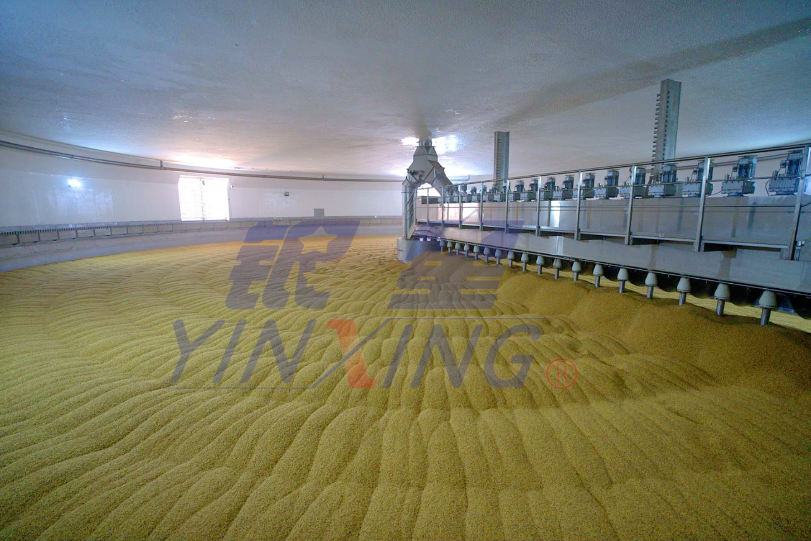
The Essential Guide to Malt Equipment in Manufacturing
Release time:
Jun 04,2026
Malt equipment plays a crucial role in the brewing and distilling industries, specifically in the preparation of malted grains. This equipment is designed to convert raw grains into malt, a key ingredient in the production of beer and spirits. Understanding the various types of malt equipment and their functions is essential for anyone involved in manufacturing processes related to malt production
Malt equipment plays a crucial role in the brewing and distilling industries, specifically in the preparation of malted grains. This equipment is designed to convert raw grains into malt, a key ingredient in the production of beer and spirits. Understanding the various types of malt equipment and their functions is essential for anyone involved in manufacturing processes related to malt production.
One of the primary components of malt equipment is the malt mill, which is used to crush and grind the malted grains. This is a critical step as it increases the surface area of the grains, allowing for better extraction of sugars during the brewing process. A good quality malt mill ensures uniform particle size, which is vital for achieving optimal extraction efficiency.
Another essential piece of malt equipment is the malt kiln. After the grains have germinated, they are dried in a kiln to stop the germination process and preserve the enzymes that will aid in sugar conversion during brewing. The malt kiln must be carefully controlled to prevent over-drying, which can lead to a loss of flavor and aroma compounds, ultimately affecting the quality of the final product.
In addition to milling and kilning, other malt equipment includes germination vessels and steeping units. Germination vessels are designed to maintain the ideal conditions for grains to sprout, while steeping units prepare the grains by soaking them in water. The efficiency of these processes directly impacts the quality of malt, making the choice of equipment a critical factor in production.
Proper maintenance of malt equipment is also vital to ensure consistent performance and product quality. Regular cleaning and inspections help prevent contamination and equipment failure, which can lead to costly downtime in production. Manufacturers should establish a routine maintenance schedule and invest in training for staff to ensure they can operate and maintain the equipment effectively.
As the demand for craft beer and artisanal spirits continues to grow, the importance of high-quality malt equipment cannot be overstated. Manufacturers must stay informed about the latest advancements in malt processing technology to enhance efficiency and product quality. This might include investing in automation systems that improve control over the malting process or exploring innovative designs that maximize space and energy efficiency.
In conclusion, malt equipment is integral to the success of any manufacturing process involving malt production. Understanding the various types of equipment and their functions, along with proper maintenance practices, can enhance both efficiency and product quality. By prioritizing the right malt equipment, manufacturers can ensure they meet industry standards and consumer expectations.
One of the primary components of malt equipment is the malt mill, which is used to crush and grind the malted grains. This is a critical step as it increases the surface area of the grains, allowing for better extraction of sugars during the brewing process. A good quality malt mill ensures uniform particle size, which is vital for achieving optimal extraction efficiency.
Another essential piece of malt equipment is the malt kiln. After the grains have germinated, they are dried in a kiln to stop the germination process and preserve the enzymes that will aid in sugar conversion during brewing. The malt kiln must be carefully controlled to prevent over-drying, which can lead to a loss of flavor and aroma compounds, ultimately affecting the quality of the final product.
In addition to milling and kilning, other malt equipment includes germination vessels and steeping units. Germination vessels are designed to maintain the ideal conditions for grains to sprout, while steeping units prepare the grains by soaking them in water. The efficiency of these processes directly impacts the quality of malt, making the choice of equipment a critical factor in production.
Proper maintenance of malt equipment is also vital to ensure consistent performance and product quality. Regular cleaning and inspections help prevent contamination and equipment failure, which can lead to costly downtime in production. Manufacturers should establish a routine maintenance schedule and invest in training for staff to ensure they can operate and maintain the equipment effectively.
As the demand for craft beer and artisanal spirits continues to grow, the importance of high-quality malt equipment cannot be overstated. Manufacturers must stay informed about the latest advancements in malt processing technology to enhance efficiency and product quality. This might include investing in automation systems that improve control over the malting process or exploring innovative designs that maximize space and energy efficiency.
In conclusion, malt equipment is integral to the success of any manufacturing process involving malt production. Understanding the various types of equipment and their functions, along with proper maintenance practices, can enhance both efficiency and product quality. By prioritizing the right malt equipment, manufacturers can ensure they meet industry standards and consumer expectations.
keywords
Previous Page:

What we offered to customers shall be our excellent products and distinguished services; our promises to customers shall be above anything else.


SAF Coolest v1.3.1.2 设置面板 TJHSD-ZFTW-WDZAE-ZSX
无数据提示
Sorry, the current column is being updated, please stay tuned!
You can view other sections or go back HOME