



NEWS
Recent Posts



The Essential Guide to Germination Equipment: Understanding the Tools for Successful Seed Sprouting
Release time:
Jun 02,2026
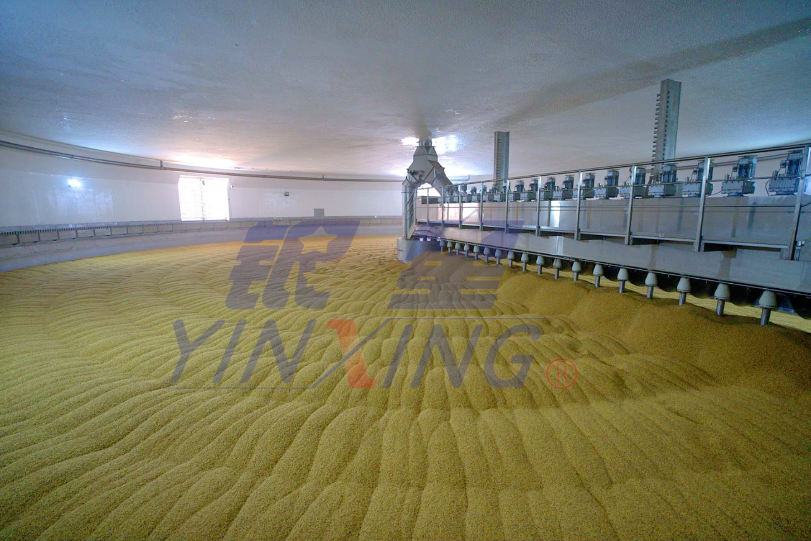
Germination equipment plays a critical role in the process of seed sprouting, which is fundamental to agriculture and horticulture. In the context of manufacturing and processing machinery, understanding the various types of germination tools can significantly enhance the efficiency and success rates of seed propagation. This equipment encompasses a range of tools designed to create optimal condit
Germination equipment plays a critical role in the process of seed sprouting, which is fundamental to agriculture and horticulture. In the context of manufacturing and processing machinery, understanding the various types of germination tools can significantly enhance the efficiency and success rates of seed propagation. This equipment encompasses a range of tools designed to create optimal conditions for seeds to germinate, including temperature regulation, moisture control, and light exposure.
One of the primary components of germination equipment is the seed germinator, which is designed to maintain a controlled environment for seed sprouting. These devices often feature adjustable temperature settings, humidity controls, and sometimes even automated watering systems. By providing a stable environment, germinators help ensure that seeds can sprout at their optimal rate, minimizing the risk of failure due to environmental stressors.
In addition to seed germinators, other germination equipment includes propagation trays and seed mats. Propagation trays are often used to hold seeds or seedlings in a compact format, allowing for efficient use of space and resources. These trays can be made from various materials, such as plastic or biodegradable substances, and typically feature drainage holes to prevent over-saturation of the soil. Seed mats, on the other hand, help to maintain consistent moisture levels for seeds, which is crucial during the germination process.
The benefits of using specialized germination equipment extend beyond just successful sprouting. Employing these tools can lead to increased efficiency, as they reduce the time and labor required to monitor and manage seeds manually. For industrial applications, this can translate into significant cost savings and improved productivity. Moreover, by optimizing the germination process, businesses can ensure a more consistent yield, contributing to better overall quality and reliability of their agricultural products.
When selecting germination equipment, it's essential to consider factors such as the scale of operation, types of seeds being planted, and specific environmental requirements. Professionals should assess the features of various machines and tools against their operational needs to ensure they choose the right equipment for their purposes.
In conclusion, germination equipment is an integral aspect of the seed propagation process within the manufacturing and processing sectors. By understanding the different types of tools available and their respective benefits, professionals can make informed decisions that enhance their operations and lead to successful seed germination. Embracing the right germination technology will ultimately contribute to more effective agricultural practices and improved outcomes in seed production.
One of the primary components of germination equipment is the seed germinator, which is designed to maintain a controlled environment for seed sprouting. These devices often feature adjustable temperature settings, humidity controls, and sometimes even automated watering systems. By providing a stable environment, germinators help ensure that seeds can sprout at their optimal rate, minimizing the risk of failure due to environmental stressors.
In addition to seed germinators, other germination equipment includes propagation trays and seed mats. Propagation trays are often used to hold seeds or seedlings in a compact format, allowing for efficient use of space and resources. These trays can be made from various materials, such as plastic or biodegradable substances, and typically feature drainage holes to prevent over-saturation of the soil. Seed mats, on the other hand, help to maintain consistent moisture levels for seeds, which is crucial during the germination process.
The benefits of using specialized germination equipment extend beyond just successful sprouting. Employing these tools can lead to increased efficiency, as they reduce the time and labor required to monitor and manage seeds manually. For industrial applications, this can translate into significant cost savings and improved productivity. Moreover, by optimizing the germination process, businesses can ensure a more consistent yield, contributing to better overall quality and reliability of their agricultural products.
When selecting germination equipment, it's essential to consider factors such as the scale of operation, types of seeds being planted, and specific environmental requirements. Professionals should assess the features of various machines and tools against their operational needs to ensure they choose the right equipment for their purposes.
In conclusion, germination equipment is an integral aspect of the seed propagation process within the manufacturing and processing sectors. By understanding the different types of tools available and their respective benefits, professionals can make informed decisions that enhance their operations and lead to successful seed germination. Embracing the right germination technology will ultimately contribute to more effective agricultural practices and improved outcomes in seed production.
keywords
Previous Page:

What we offered to customers shall be our excellent products and distinguished services; our promises to customers shall be above anything else.


SAF Coolest v1.3.1.2 设置面板 TJHSD-ZFTW-WDZAE-ZSX
无数据提示
Sorry, the current column is being updated, please stay tuned!
You can view other sections or go back HOME