



NEWS
Recent Posts



A Comprehensive Guide to Malting System Maintenance for Optimal Performance
Release time:
Jun 03,2026
A Comprehensive Guide to Malting System Maintenance for Optimal Performance Table of Contents 1. Introduction to Malting Systems 2. Importance of Regular Maintenance 3. Key Components of Malting Systems 3.1. Malting Equipment Overview 3.2. The Role of Temperature and Humidity 4. Routine Maintenance Practices 4.1. Daily Inspections 4.2. Weekly and Monthly Maintenance Tasks 5. Troubleshooting Common
A Comprehensive Guide to Malting System Maintenance for Optimal Performance
Table of Contents
1. Introduction to Malting Systems
2. Importance of Regular Maintenance
3. Key Components of Malting Systems
3.1. Malting Equipment Overview
3.2. The Role of Temperature and Humidity
4. Routine Maintenance Practices
4.1. Daily Inspections
4.2. Weekly and Monthly Maintenance Tasks
5. Troubleshooting Common Malting System Issues
5.1. Addressing Equipment Failures
5.2. Recognizing Signs of Poor Malting Quality
6. Advanced Maintenance Techniques
6.1. Cleaning Protocols for Optimal Performance
6.2. Calibration and Adjustment Procedures
7. Safety Considerations in Malting System Maintenance
8. Conclusion
9. FAQs
1. Introduction to Malting Systems
Malting systems play a crucial role in the production of malted grains, serving as the foundation for brewing and distilling industries. These systems are designed to facilitate the transformation of raw grains into malt through controlled processes of steeping, germination, and kilning. Understanding the components and functionality of malting systems is essential for maintaining their efficiency and performance.
2. Importance of Regular Maintenance
Regular maintenance of malting systems is crucial for several reasons. Firstly, it ensures the **optimal functioning** of equipment, which directly impacts the quality of the malt produced. Secondly, it helps to **prevent costly downtimes** caused by equipment failures. Implementing a robust maintenance plan not only enhances productivity but also extends the lifespan of the machinery.
3. Key Components of Malting Systems
To effectively maintain a malting system, one must understand its key components.
3.1. Malting Equipment Overview
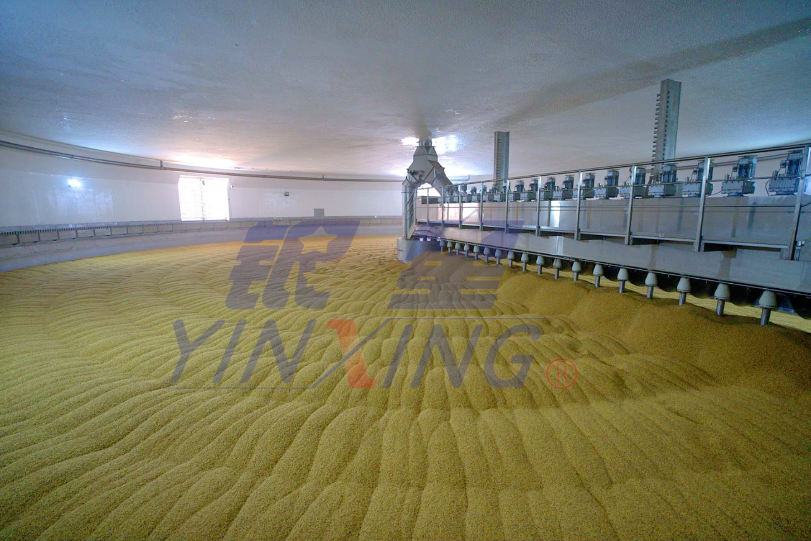
Malting systems consist of various equipment, including steep tanks, germination vessels, and kilns. Each piece serves a specific function in the malting process. Routine checks and preventive maintenance on these components are vital for ensuring they work harmoniously.
3.2. The Role of Temperature and Humidity
Temperature and humidity are critical factors that influence the malting process. Maintaining optimal conditions is essential for achieving the desired enzymatic activities and ensuring uniform germination. Technicians should utilize sensors and monitoring systems to track these environmental parameters.
4. Routine Maintenance Practices
Establishing a routine maintenance schedule is a best practice that can lead to significant improvements in the performance of malting systems.
4.1. Daily Inspections
Conducting daily inspections is fundamental to identifying potential issues early. Technicians should check for any unusual sounds or vibrations in the equipment, inspect for leaks or blockages, and ensure that all sensors are functioning correctly.
4.2. Weekly and Monthly Maintenance Tasks
Weekly and monthly maintenance tasks include cleaning components, lubricating moving parts, and conducting more in-depth inspections of equipment. These tasks help in maintaining the integrity of the malting system and preventing the buildup of residues that could affect performance.
5. Troubleshooting Common Malting System Issues
Being able to troubleshoot common malting system problems can save time and resources.
5.1. Addressing Equipment Failures
Equipment failures can manifest in various ways, including irregular germination or inconsistent malt quality. Technicians should have a clear procedure for diagnosing issues, which may involve checking electrical connections, inspecting belts and pulleys, and verifying the operational status of motors and pumps.
5.2. Recognizing Signs of Poor Malting Quality
Common signs of poor malting quality include off-flavors, unwanted colors, or poor enzymatic activity. Understanding these indicators allows for corrective actions to be implemented before they lead to significant production losses.
6. Advanced Maintenance Techniques
Taking maintenance a step further can ensure that malting systems operate at peak efficiency.
6.1. Cleaning Protocols for Optimal Performance
Regular cleaning of malting systems is essential to eliminate contaminants that can compromise malt quality. Establishing a comprehensive cleaning protocol, including the use of appropriate cleaning agents, is vital for maintaining equipment hygiene.
6.2. Calibration and Adjustment Procedures
Calibration of equipment is necessary for ensuring that all systems operate within specified parameters. This may involve adjusting temperature settings, fine-tuning humidity controls, and ensuring that all sensors are accurately reporting data.
7. Safety Considerations in Malting System Maintenance
Safety should always be a priority during maintenance activities. Technicians must be trained to recognize hazards associated with working on malting equipment, including electrical risks, moving parts, and the handling of chemical cleaning agents. Using personal protective equipment (PPE) and adhering to safety protocols is essential to minimize risks.
8. Conclusion
Maintaining malting systems is a critical aspect of ensuring high-quality malt production. By implementing comprehensive maintenance practices, troubleshooting common issues, and prioritizing safety, facilities can enhance their operational efficiency and product quality. A proactive approach to maintenance not only prevents equipment failures but also contributes to the long-term success of malting operations.
9. FAQs
1. What is the importance of regular maintenance in malting systems?
Regular maintenance helps ensure optimal performance, enhances malt quality, and prevents costly downtimes.
2. How often should malting equipment be inspected?
Daily inspections are recommended, with more in-depth maintenance tasks scheduled weekly and monthly.
3. What are common signs of malting system issues?
Signs include unusual sounds, inconsistent malt quality, and irregular germination.
4. What cleaning agents should be used for malting system maintenance?
Non-toxic and food-grade cleaning agents are recommended to ensure the safety of the malt produced.
5. How can I ensure the safety of technicians during maintenance?
Providing training on safety protocols, ensuring the use of PPE, and conducting risk assessments can help maintain a safe working environment.
keywords
Previous Page:

What we offered to customers shall be our excellent products and distinguished services; our promises to customers shall be above anything else.


SAF Coolest v1.3.1.2 设置面板 TJHSD-ZFTW-WDZAE-ZSX
无数据提示
Sorry, the current column is being updated, please stay tuned!
You can view other sections or go back HOME