



NEWS


Essential Insights into Malt Equipment for the Manufacturing and Processing Industry
Release time:
Apr 15,2026
Malt equipment is a crucial aspect of the brewing and distilling industries, primarily involved in the malting process, which converts cereal grains into malt. Understanding malt equipment is essential for professionals in the manufacturing sector, particularly those focusing on the production of malt for beverages and food. At its core, malt equipment encompasses a variety of machines and tools
Malt equipment is a crucial aspect of the brewing and distilling industries, primarily involved in the malting process, which converts cereal grains into malt. Understanding malt equipment is essential for professionals in the manufacturing sector, particularly those focusing on the production of malt for beverages and food.
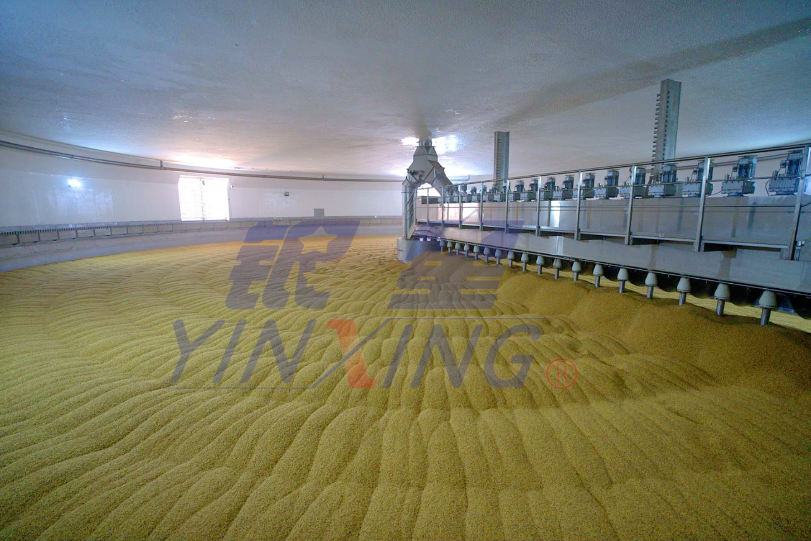
At its core, malt equipment encompasses a variety of machines and tools designed for different stages of the malting process. This includes the steeping, germination, and kilning stages, each requiring specialized equipment. The steeping stage involves soaking grains in water to initiate the germination process. Equipment used here typically includes steeping vessels, which are designed to ensure optimal water flow and grain circulation.
Following steeping, grains enter the germination stage. Here, germination vessels or boxes allow for controlled temperature and humidity, which are vital for the growth of the grain. Monitoring systems integrated into this equipment can help regulate these conditions to ensure high-quality malt production.
The final stage, kilning, is where germinated grains are dried to halt the germination process and develop the desired flavor and color profiles. Kilns are specialized ovens that provide precise temperature control and airflow, crucial for achieving the right moisture content and flavor characteristics in the malt.
When selecting malt equipment, several factors should be considered. First, the capacity of the equipment should align with production needs. It's important to evaluate the scale of operations, whether small craft brewing or large-scale industrial production, as this will influence the type and size of equipment required.
Additionally, energy efficiency is a key consideration. Modern malt equipment is designed with energy-saving technologies that can significantly reduce operational costs. Look for equipment that complies with industry standards for energy consumption, as this can lead to long-term savings and a lower environmental impact.
Maintenance is another critical aspect of malt equipment management. Regular maintenance schedules help prevent breakdowns and ensure that equipment operates efficiently. This includes routine cleaning, calibration, and inspection of components to ensure they are functioning correctly.
In conclusion, understanding malt equipment is essential for professionals in the manufacturing and processing industry. By knowing the different types of equipment used in each stage of malting and considering capacity, energy efficiency, and maintenance, manufacturers can optimize their operations and produce high-quality malt. This knowledge not only enhances productivity but also contributes to the overall success of brewing and distilling operations.
At its core, malt equipment encompasses a variety of machines and tools designed for different stages of the malting process. This includes the steeping, germination, and kilning stages, each requiring specialized equipment. The steeping stage involves soaking grains in water to initiate the germination process. Equipment used here typically includes steeping vessels, which are designed to ensure optimal water flow and grain circulation.
Following steeping, grains enter the germination stage. Here, germination vessels or boxes allow for controlled temperature and humidity, which are vital for the growth of the grain. Monitoring systems integrated into this equipment can help regulate these conditions to ensure high-quality malt production.
The final stage, kilning, is where germinated grains are dried to halt the germination process and develop the desired flavor and color profiles. Kilns are specialized ovens that provide precise temperature control and airflow, crucial for achieving the right moisture content and flavor characteristics in the malt.
When selecting malt equipment, several factors should be considered. First, the capacity of the equipment should align with production needs. It's important to evaluate the scale of operations, whether small craft brewing or large-scale industrial production, as this will influence the type and size of equipment required.
Additionally, energy efficiency is a key consideration. Modern malt equipment is designed with energy-saving technologies that can significantly reduce operational costs. Look for equipment that complies with industry standards for energy consumption, as this can lead to long-term savings and a lower environmental impact.
Maintenance is another critical aspect of malt equipment management. Regular maintenance schedules help prevent breakdowns and ensure that equipment operates efficiently. This includes routine cleaning, calibration, and inspection of components to ensure they are functioning correctly.
In conclusion, understanding malt equipment is essential for professionals in the manufacturing and processing industry. By knowing the different types of equipment used in each stage of malting and considering capacity, energy efficiency, and maintenance, manufacturers can optimize their operations and produce high-quality malt. This knowledge not only enhances productivity but also contributes to the overall success of brewing and distilling operations.
keywords
Previous Page:

What we offered to customers shall be our excellent products and distinguished services; our promises to customers shall be above anything else.


SAF Coolest v1.3.1.2 设置面板 TJHSD-ZFTW-WDZAE-ZSX
无数据提示
Sorry, the current column is being updated, please stay tuned!
You can view other sections or go back HOME