



NEWS



From Barley to Beer: The Intricate Journey Through a Malting System
Release time:
Apr 14,2026
From Barley to Beer: The Intricate Journey Through a Malting System The journey from barley to beer is nothing short of a remarkable transformation, deeply rooted in history and craft. The process begins with barley, a grain that has been cultivated for thousands of years. Once harvested, the barley undergoes a meticulous series of steps known as malting, which plays a crucial role in developing t
From Barley to Beer: The Intricate Journey Through a Malting System
The journey from barley to beer is nothing short of a remarkable transformation, deeply rooted in history and craft. The process begins with barley, a grain that has been cultivated for thousands of years. Once harvested, the barley undergoes a meticulous series of steps known as malting, which plays a crucial role in developing the flavors and characteristics of the final beer product. In this article, we will explore each stage of the malting system, the equipment involved, and how these processes contribute to the art of brewing.
Table of Contents
- Understanding Malting: The Basics
- The Malting Process: A Step-by-Step Guide
- Equipment Used in Malting Systems
- Types of Malt: Understanding Different Varieties
- The Importance of Water in the Malting Process
- The Role of Temperature in Malting
- How Malting Affects Beer Flavors
- Frequently Asked Questions (FAQs)
Understanding Malting: The Basics
Malting is a crucial step in the beer brewing process, where barley grains are transformed into malt. This transformation involves three primary processes: soaking, germination, and kilning. Each phase is carefully controlled to ensure the desired enzymatic activity and flavor profiles are achieved.
The Importance of Barley Selection
The journey begins with selecting the right variety of barley, typically two-row or six-row malting barley. **Two-row barley** is favored for its higher enzyme content, which is essential for converting starches into fermentable sugars. **Six-row barley**, on the other hand, tends to have a higher protein content and is often used in specific beer styles.
The Malting Process: A Step-by-Step Guide
Step 1: Soaking
The first step in the malting process is soaking the barley in water. This process, known as steeping, typically lasts for 24 to 48 hours. During this time, the grains absorb moisture, swelling to about 1.5 times their original size. The soaked grains need to be aerated to supply oxygen, promoting healthy germination.
Step 2: Germination
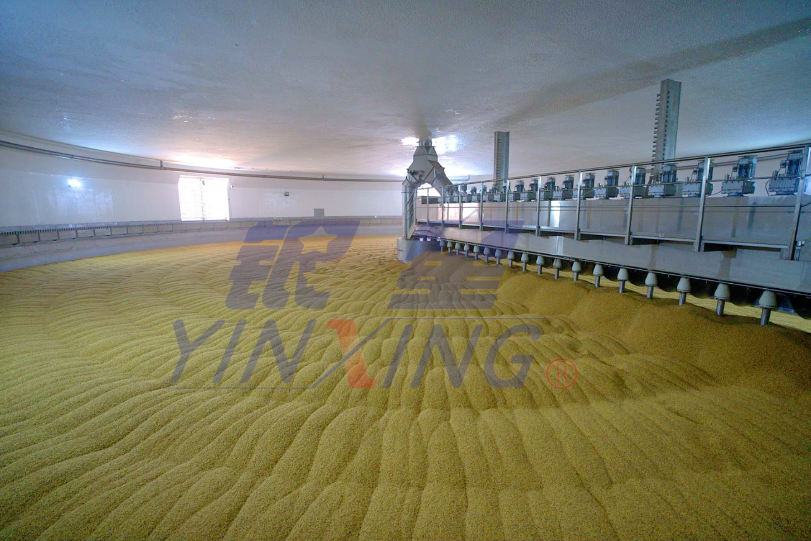
After steeping, the grains are spread out in a controlled environment to germinate. Germination lasts about 4 to 6 days, during which enzymes activate, converting starches into sugars. This is a critical phase, as the depth of germination influences the final malt profile.
Controlling Germination Conditions
Maintaining optimal temperature and humidity levels is vital during germination. Typically, temperatures are kept between 15°C to 20°C (59°F to 68°F) to ensure that enzymatic activity occurs without overheating the grains.
Step 3: Kilning
Once germination is complete, the grains are dried in a kiln to stop the germination process. Kilning can last from 8 to 30 hours, depending on the desired malt characteristics. The temperature during this phase can vary significantly; lighter malts are dried at lower temperatures, while darker malts are roasted at higher temperatures, which contributes to their rich flavors.
Equipment Used in Malting Systems
To facilitate the malting process, various specialized equipment is employed:
- Steep Tanks: Used for soaking the barley. They are designed to allow for water circulation and proper aeration.
- Germination Boxes: Controlled environments where barley is spread out to germinate. They maintain humidity and temperature.
- Kilns: Where the germinated grains are dried. Modern kilns are equipped with precise temperature controls and airflow management.
- Cleaning Equipment: Essential for removing debris from the barley before malting, ensuring high-quality malt.
Types of Malt: Understanding Different Varieties
There are several types of malt, each contributing unique flavors and characteristics to beer. The main categories include:
Pale Malt
Pale malt is the most common base malt used in brewing. It is lightly kilned, offering a sweet, cereal-like flavor which serves as the foundation for many beer styles.
Crystal Malt
Crystal malt is caramelized during the kilning process, producing a sweet, toffee-like flavor and a rich amber color. It adds body and depth to various beers.
Roasted Malt
Roasted malts are subjected to high temperatures, resulting in dark, robust flavors. They are essential for stouts and porters, imparting coffee and chocolate notes.
The Importance of Water in the Malting Process
Water quality plays a significant role in the malting process. The mineral content of the water can influence the flavor profile of the malt and, ultimately, the beer. Brewers often test their water to ensure it meets specific requirements for the type of beer they aim to produce.
The Role of Temperature in Malting
Temperature is crucial throughout the malting process. From steeping to kilning, each phase requires careful temperature management to optimize enzyme activity and develop desired flavors. Brewers must monitor and adjust temperature settings to achieve consistent results.
How Malting Affects Beer Flavors
The malting process significantly influences the final flavor of beer. The enzymes activated during malting break down starches, creating fermentable sugars that yeast converts into alcohol. Furthermore, the type and degree of malt used can enhance various flavor notes, such as sweetness, bitterness, or roasted characteristics, creating a complex profile that appeals to consumers.
Frequently Asked Questions (FAQs)
1. What is the purpose of malting in beer production?
Malting transforms barley into malt, which is essential for producing fermentable sugars necessary for brewing beer.
2. How long does the malting process take?
The entire malting process typically takes about 6 to 10 days, depending on the specific requirements of the malt being produced.
3. Can any barley be used for malting?
Not all barley is suitable for malting. Only specific malting varieties are selected for their high enzyme content and favorable flavor profiles.
4. What factors influence the flavor of malt?
Factors such as the variety of barley used, the kilning temperature, and the duration of germination all significantly impact the flavor and characteristics of the malt.
5. Why is water quality important in malting?
Water quality affects the extraction of flavors and sugars from the malt and can influence the overall taste of the beer.
Conclusion
The journey from barley to beer through a malting system is a complex yet fascinating process that requires precision and care. Each step, from soaking and germination to kilning, plays a vital role in developing the flavors and characteristics of the final product. Understanding this intricate process not only enhances our appreciation for beer but also highlights the craftsmanship behind every brew. As beer enthusiasts, recognizing the significance of malting can deepen our connection to this age-old tradition and the diverse range of flavors that beer has to offer.
keywords
Previous Page:

What we offered to customers shall be our excellent products and distinguished services; our promises to customers shall be above anything else.


SAF Coolest v1.3.1.2 设置面板 TJHSD-ZFTW-WDZAE-ZSX
无数据提示
Sorry, the current column is being updated, please stay tuned!
You can view other sections or go back HOME