



NEWS

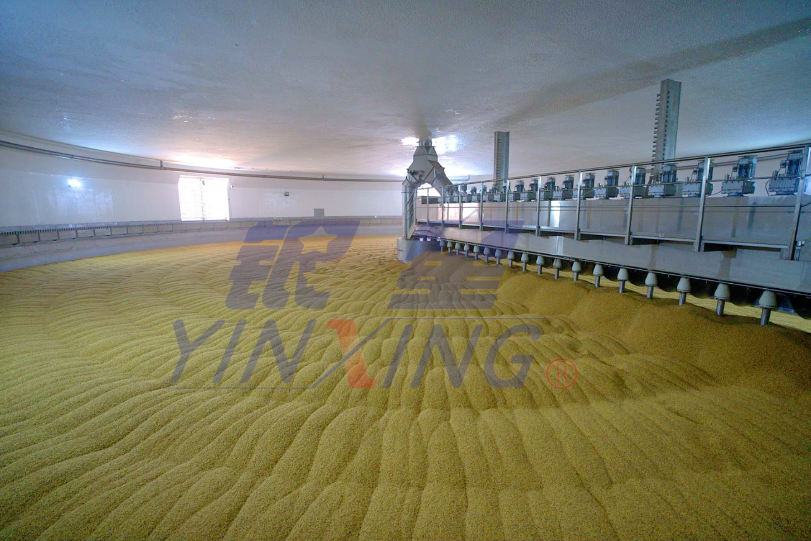


Essential Insights on Germination Equipment for Efficient Seed Propagation
Release time:
Apr 13,2026
--- Germination equipment plays a crucial role in the world of agriculture and horticulture, particularly for those involved in seed propagation. It encompasses a range of tools and systems designed to create optimal conditions for seeds to sprout and develop into healthy plants. Understanding the functions and benefits of these tools can greatly enhance efficiency in manufacturing processes and e
---
Germination equipment plays a crucial role in the world of agriculture and horticulture, particularly for those involved in seed propagation. It encompasses a range of tools and systems designed to create optimal conditions for seeds to sprout and develop into healthy plants. Understanding the functions and benefits of these tools can greatly enhance efficiency in manufacturing processes and ensure higher success rates in seed germination.
One of the primary components of germination equipment is the germination chamber. These chambers provide a controlled environment, regulating temperature, humidity, and light exposure, which are critical factors for seed germination. By maintaining ideal conditions, germination chambers can significantly reduce germination time and improve seedling uniformity. This is particularly beneficial for businesses looking to optimize their production schedules and meet market demands.
Another essential piece of germination equipment is the seedling tray. These trays are designed to hold individual seeds or seedlings, allowing for easy handling and monitoring. The use of seedling trays not only maximizes space but also aids in organized growth and facilitates transplanting when the seedlings are ready for their next phase of development. Selecting the right type of tray can impact root development and overall plant health, making it an essential consideration for manufacturers.
Additionally, humidity domes are a valuable accessory to germination equipment. These domes help retain moisture in the early stages of seedling development, which is vital for preventing seed desiccation. The right humidity levels can lead to more robust seedlings and higher survival rates after transplanting. Combining humidity domes with other germination tools can create an ideal microenvironment for seeds to thrive.
In recent years, advancements in technology have also led to the development of automated germination equipment. These systems can monitor and adjust conditions in real-time, ensuring that each seed receives the best possible care. Automation reduces labor costs and increases precision, which can be a game-changer for manufacturers looking to scale their operations while maintaining high-quality standards.
Furthermore, understanding the types of seeds and their specific germination requirements is essential when selecting germination equipment. Different species may have unique needs regarding temperature, light, and moisture levels. Tailoring your approach based on the seeds you work with can lead to better outcomes and more efficient processes.
In conclusion, investing in quality germination equipment is vital for anyone involved in the manufacturing and processing of seeds. From germination chambers to seedling trays and humidity domes, each component plays a significant role in ensuring successful seed propagation. By leveraging the right tools and techniques, businesses can enhance their production efficiency and achieve better plant health, ultimately leading to improved outcomes in their operations.
Germination equipment plays a crucial role in the world of agriculture and horticulture, particularly for those involved in seed propagation. It encompasses a range of tools and systems designed to create optimal conditions for seeds to sprout and develop into healthy plants. Understanding the functions and benefits of these tools can greatly enhance efficiency in manufacturing processes and ensure higher success rates in seed germination.
One of the primary components of germination equipment is the germination chamber. These chambers provide a controlled environment, regulating temperature, humidity, and light exposure, which are critical factors for seed germination. By maintaining ideal conditions, germination chambers can significantly reduce germination time and improve seedling uniformity. This is particularly beneficial for businesses looking to optimize their production schedules and meet market demands.
Another essential piece of germination equipment is the seedling tray. These trays are designed to hold individual seeds or seedlings, allowing for easy handling and monitoring. The use of seedling trays not only maximizes space but also aids in organized growth and facilitates transplanting when the seedlings are ready for their next phase of development. Selecting the right type of tray can impact root development and overall plant health, making it an essential consideration for manufacturers.
Additionally, humidity domes are a valuable accessory to germination equipment. These domes help retain moisture in the early stages of seedling development, which is vital for preventing seed desiccation. The right humidity levels can lead to more robust seedlings and higher survival rates after transplanting. Combining humidity domes with other germination tools can create an ideal microenvironment for seeds to thrive.
In recent years, advancements in technology have also led to the development of automated germination equipment. These systems can monitor and adjust conditions in real-time, ensuring that each seed receives the best possible care. Automation reduces labor costs and increases precision, which can be a game-changer for manufacturers looking to scale their operations while maintaining high-quality standards.
Furthermore, understanding the types of seeds and their specific germination requirements is essential when selecting germination equipment. Different species may have unique needs regarding temperature, light, and moisture levels. Tailoring your approach based on the seeds you work with can lead to better outcomes and more efficient processes.
In conclusion, investing in quality germination equipment is vital for anyone involved in the manufacturing and processing of seeds. From germination chambers to seedling trays and humidity domes, each component plays a significant role in ensuring successful seed propagation. By leveraging the right tools and techniques, businesses can enhance their production efficiency and achieve better plant health, ultimately leading to improved outcomes in their operations.
keywords
Previous Page:

What we offered to customers shall be our excellent products and distinguished services; our promises to customers shall be above anything else.


SAF Coolest v1.3.1.2 设置面板 TJHSD-ZFTW-WDZAE-ZSX
无数据提示
Sorry, the current column is being updated, please stay tuned!
You can view other sections or go back HOME