



NEWS

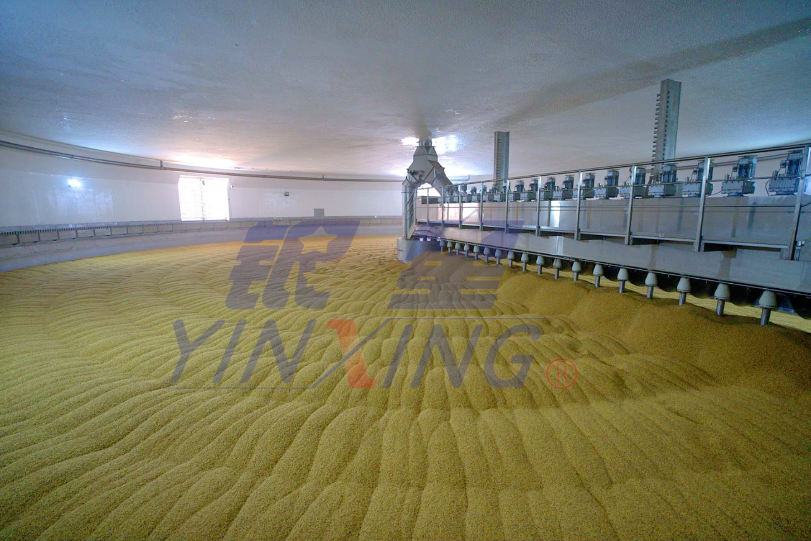


Why Steeping Equipment is Essential for Efficient Manufacturing Operations
Release time:
Apr 12,2026
Why Steeping Equipment is Essential for Efficient Manufacturing Operations Manufacturing operations are constantly evolving, and the tools and equipment that power these processes are crucial to maintaining efficiency and productivity. Among the various equipment types available, steeping equipment plays a significant role across multiple industries. In this article, we will explore why steeping e
Why Steeping Equipment is Essential for Efficient Manufacturing Operations
Manufacturing operations are constantly evolving, and the tools and equipment that power these processes are crucial to maintaining efficiency and productivity. Among the various equipment types available, steeping equipment plays a significant role across multiple industries. In this article, we will explore why steeping equipment is essential for efficient manufacturing operations, highlighting its benefits, applications, and the impact it can have on overall productivity.
Understanding Steeping Equipment
Steeping equipment refers to machines designed to soak raw materials in a liquid, usually water or another solvent, to extract specific components or prepare materials for further processing. This equipment is crucial in various sectors, including food and beverage production, textiles, and chemical manufacturing.
The Process of Steeping
The steeping process involves immersing materials in a liquid to enable the extraction of flavors, colors, or other properties. This process is vital in the processing of grains, beans, and various plant materials. By saturating the materials, steeping allows for better absorption of flavors and nutrients, enhancing the final product's quality.
Types of Steeping Equipment
Different types of steeping equipment are designed for specific applications. Common varieties include:
1. **Batch Steepers**: Used for soaking materials in large quantities, often seen in food manufacturing.
2. **Continuous Steeping Systems**: Designed for ongoing operations where materials are constantly fed and steeped, typical in large-scale production environments.
3. **Rotary Steepers**: Utilized for materials that require a more gentle steeping process to prevent damage or degradation.
Each type has its unique advantages, and the choice often depends on the manufacturing process and the materials being used.
The Role of Steeping Equipment in Manufacturing Efficiency
Integrating steeping equipment into manufacturing operations can yield significant benefits. Here are several ways this equipment enhances efficiency:
Improved Product Quality
Steeping enhances the flavor, texture, and nutritional value of products. In the food industry, for example, properly steeped grains yield better bread quality. The right steeping process can also improve color and aroma, making products more appealing to consumers.
Increased Productivity
By automating the steeping process, manufacturers can significantly reduce labor costs and time. Continuous steeping systems, for example, allow for uninterrupted production, ensuring that materials are ready for the next phase promptly. This efficiency translates into higher throughput and reduced production downtime.
Consistency in Production
Steeping equipment ensures uniformity in the steeping process, leading to consistent product quality. This reliability is crucial for maintaining brand reputation and meeting customer expectations. Automated steeping systems can monitor and adjust steeping times and temperatures, providing a level of control that manual processes often lack.
Applications of Steeping Equipment Across Industries
The versatility of steeping equipment allows it to be utilized in various industries, each benefiting in distinct ways.
Food and Beverage Industry
In the food and beverage sector, steeping equipment is fundamental for producing items such as tea, coffee, and alcoholic beverages. For instance, steeping grains in brewing enhances flavor extraction, leading to better-tasting beer. Similarly, steeping tea leaves in hot water releases essential oils and flavors, producing the desired beverage profile.
Textile Manufacturing
In textile manufacturing, steeping is essential for preparing fibers before dyeing. Soaking natural fibers in water or other solutions ensures better dye uptake, resulting in vibrant and long-lasting colors. This process is vital for achieving the desired quality in fabrics.
Chemical Processing
In chemical manufacturing, steeping equipment is used for extracting specific compounds from raw materials. This is particularly important in the production of pharmaceuticals, where precise extraction processes are essential for ensuring the efficacy of the final product.
Key Benefits of Incorporating Steeping Equipment
Implementing steeping equipment in manufacturing processes offers several advantages that bolster efficiency and productivity.
Cost-Effectiveness
Investing in steeping equipment can lead to significant cost savings in the long run. By reducing labor requirements and minimizing waste, manufacturers can optimize their operations and improve their bottom line. Moreover, the enhanced quality of the final products often results in higher sales prices.
Environmental Impact
Modern steeping technologies often incorporate water-saving features and energy-efficient designs, contributing to more sustainable manufacturing practices. By minimizing resource consumption, steeping equipment can help companies meet their environmental goals while maintaining productivity.
Enhanced Flexibility
Steeping equipment can often be adjusted to accommodate different materials and steeping times, providing manufacturers with the flexibility to adapt to changing market demands. This adaptability is crucial in industries where consumer preferences can shift rapidly.
Choosing the Right Steeping Equipment for Your Operations
Selecting the appropriate steeping equipment requires careful consideration of various factors, including production scale, material type, and desired outcomes.
Assessing Your Needs
Before investing in steeping equipment, it's crucial to evaluate your specific requirements. Consider the types of materials you'll be steeping, production volume, and the characteristics you wish to achieve in your final products. Consulting with equipment manufacturers or industry experts can provide valuable insights.
Evaluating Equipment Features
When comparing different steeping systems, pay attention to features such as automation level, energy efficiency, and ease of maintenance. Advanced systems may offer digital controls that allow for precise adjustments, helping to achieve optimal results consistently.
Maintenance and Best Practices for Steeping Equipment
Proper maintenance is essential for ensuring the longevity and efficiency of steeping equipment.
Regular Cleaning and Sanitization
Maintaining clean equipment is vital, especially in food and beverage applications. Regular cleaning helps prevent contamination and ensures that flavors and aromas are not compromised. Implementing a routine cleaning schedule can streamline this process.
Monitoring Performance
Tracking the performance of steeping equipment is crucial for identifying potential issues before they escalate. Utilizing sensors and monitoring systems can help detect deviations from optimal conditions, allowing for timely adjustments.
Training Staff
Investing in staff training is essential for maximizing the benefits of steeping equipment. Ensuring that employees understand the equipment's operation, maintenance, and troubleshooting can lead to fewer errors and increased efficiency.
Future Trends in Steeping Equipment
As technology continues to evolve, so does the steeping equipment industry. Emerging trends include:
Integration of IoT Technologies
The Internet of Things (IoT) is increasingly being integrated into manufacturing operations, including steeping processes. IoT-enabled equipment can provide real-time data on performance, allowing for more informed decision-making and improving overall efficiency.
Advancements in Automation
As automation technology advances, steeping systems are becoming more sophisticated, incorporating features like adaptive control systems that can learn and optimize steeping parameters based on historical data.
Frequently Asked Questions (FAQs)
1. What types of materials can be steeped using steeping equipment?
Steeping equipment can handle a variety of materials, including grains, herbs, fibers, and other organic materials, depending on the application.
2. How does steeping improve product quality?
Steeping enhances flavor extraction, texture, and nutrient absorption, leading to superior product quality that meets consumer expectations.
3. What are the key factors to consider when selecting steeping equipment?
Consider factors like production scale, material types, desired outcomes, automation features, and maintenance requirements.
4. How can steeping equipment contribute to sustainability in manufacturing?
Modern steeping equipment often features water-saving technologies and energy-efficient designs, reducing resource consumption and environmental impact.
5. What maintenance practices are essential for steeping equipment?
Regular cleaning, performance monitoring, and staff training are crucial for maintaining steeping equipment and ensuring its optimal operation.
Conclusion
Incorporating steeping equipment into manufacturing operations is essential for achieving efficiency, product quality, and adaptability in an ever-changing market. From the food and beverage sector to textiles and chemicals, steeping equipment plays a pivotal role in enhancing processes and outcomes. By investing in the right technology and maintaining best practices, manufacturers can significantly improve their operations, reduce costs, and meet customer demands effectively. Understanding the importance of steeping equipment is not just a matter of operational necessity; it's a strategic move toward a more productive and sustainable future in manufacturing.
keywords

What we offered to customers shall be our excellent products and distinguished services; our promises to customers shall be above anything else.


SAF Coolest v1.3.1.2 设置面板 TJHSD-ZFTW-WDZAE-ZSX
无数据提示
Sorry, the current column is being updated, please stay tuned!
You can view other sections or go back HOME