



NEWS
Recent Posts



Understanding the Malting System: A Key Component in Brewing and Food Production
Release time:
Mar 20,2026
The malting system is a crucial process in the production of malt, which serves as a fundamental ingredient in brewing beer and other food products. This system involves several key steps that transform raw grains—typically barley, but also wheat, rye, and oats—into malted grains that contribute to the flavor, color, and texture of the final product. The malting process begins with **soaking** the
The malting system is a crucial process in the production of malt, which serves as a fundamental ingredient in brewing beer and other food products. This system involves several key steps that transform raw grains—typically barley, but also wheat, rye, and oats—into malted grains that contribute to the flavor, color, and texture of the final product.
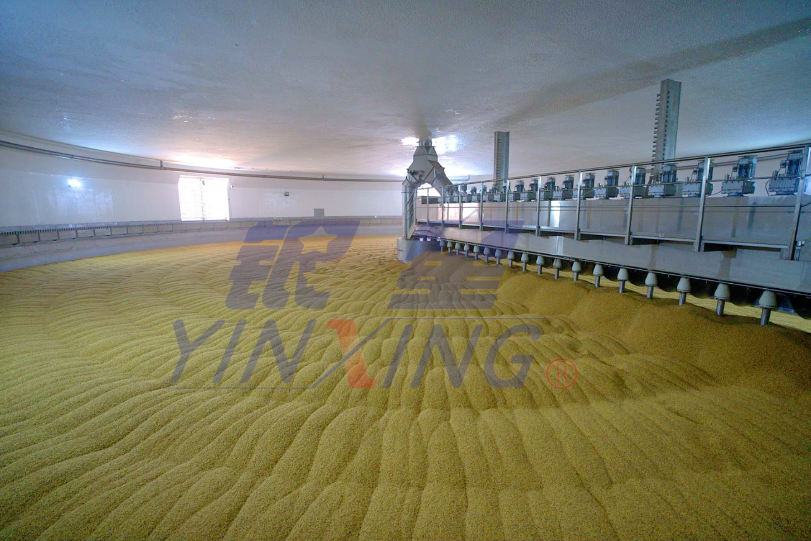
The malting process begins with **soaking** the grains in water, which initiates germination. This phase is critical as it activates enzymes within the grains that convert starches into sugars. After soaking, the grains are spread out to germinate in a controlled environment. This stage can last anywhere from a few days to a week, depending on the type of grain and the desired characteristics of the malt.
Once germination is complete, the next step is **kilning**, where the germinated grains are dried using hot air. This process halts germination and deactivates the enzymes. Kilning is also what gives malt its unique flavors and colors, which vary depending on the temperature and duration of the drying process. The darker the grains are roasted, the more intense the flavors and colors will be in the final product.
The malting system is not just about creating malt; it also plays a vital role in the overall efficiency of brewing and food production. By ensuring that the grains are adequately processed, manufacturers can optimize the extraction of sugars and other beneficial compounds during brewing. This efficiency is essential for maintaining quality and consistency in the final products.
In addition to brewing, the malting system has applications in producing other food items, such as malt extract, malt vinegar, and various snack foods. Each of these products relies on the unique qualities imparted by properly malted grains, showcasing the versatility and importance of the malting process in the broader manufacturing landscape.
Moreover, modern advancements in malting technology have allowed for greater precision and control over the malting process, improving yield and ensuring high-quality malt is produced consistently. Automation and monitoring systems are increasingly being integrated into malting facilities, allowing manufacturers to maintain optimal conditions throughout the process.
In summary, the malting system is an indispensable part of the manufacturing process in brewing and food production. By transforming raw grains into malt, this system not only enhances the flavor and quality of a wide range of products but also ensures efficient production methods. Understanding the intricacies of the malting system is essential for anyone involved in these industries, as it directly impacts the final outcome of the products produced.
The malting process begins with **soaking** the grains in water, which initiates germination. This phase is critical as it activates enzymes within the grains that convert starches into sugars. After soaking, the grains are spread out to germinate in a controlled environment. This stage can last anywhere from a few days to a week, depending on the type of grain and the desired characteristics of the malt.
Once germination is complete, the next step is **kilning**, where the germinated grains are dried using hot air. This process halts germination and deactivates the enzymes. Kilning is also what gives malt its unique flavors and colors, which vary depending on the temperature and duration of the drying process. The darker the grains are roasted, the more intense the flavors and colors will be in the final product.
The malting system is not just about creating malt; it also plays a vital role in the overall efficiency of brewing and food production. By ensuring that the grains are adequately processed, manufacturers can optimize the extraction of sugars and other beneficial compounds during brewing. This efficiency is essential for maintaining quality and consistency in the final products.
In addition to brewing, the malting system has applications in producing other food items, such as malt extract, malt vinegar, and various snack foods. Each of these products relies on the unique qualities imparted by properly malted grains, showcasing the versatility and importance of the malting process in the broader manufacturing landscape.
Moreover, modern advancements in malting technology have allowed for greater precision and control over the malting process, improving yield and ensuring high-quality malt is produced consistently. Automation and monitoring systems are increasingly being integrated into malting facilities, allowing manufacturers to maintain optimal conditions throughout the process.
In summary, the malting system is an indispensable part of the manufacturing process in brewing and food production. By transforming raw grains into malt, this system not only enhances the flavor and quality of a wide range of products but also ensures efficient production methods. Understanding the intricacies of the malting system is essential for anyone involved in these industries, as it directly impacts the final outcome of the products produced.
keywords
Previous Page:

What we offered to customers shall be our excellent products and distinguished services; our promises to customers shall be above anything else.


SAF Coolest v1.3.1.2 设置面板 TJHSD-ZFTW-WDZAE-ZSX
无数据提示
Sorry, the current column is being updated, please stay tuned!
You can view other sections or go back HOME