



NEWS
Recent Posts

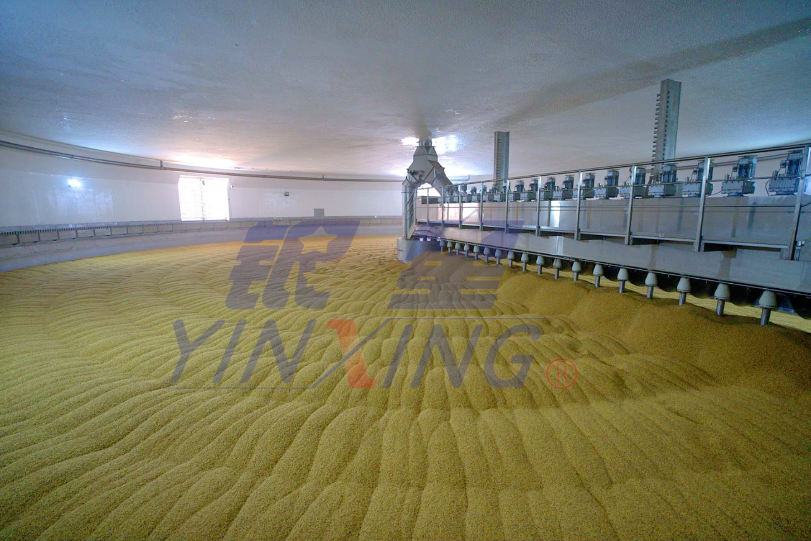


The Impact of Germination Equipment on Seed Viability: Enhancing Growth and Yield Potential
Release time:
Mar 19,2026
The Impact of Germination Equipment on Seed Viability Introduction to Seed Viability and Germination Equipment Germination is a critical phase in a plant's life cycle that determines its growth potential. It marks the transition from a dormant seed to a thriving plant, and this transition heavily relies on **seed viability**. Understanding how to enhance this process is essential for farmers, hort
The Impact of Germination Equipment on Seed Viability
Introduction to Seed Viability and Germination Equipment
Germination is a critical phase in a plant's life cycle that determines its growth potential. It marks the transition from a dormant seed to a thriving plant, and this transition heavily relies on **seed viability**. Understanding how to enhance this process is essential for farmers, horticulturists, and researchers alike. The role of **germination equipment** in facilitating optimal conditions for seed growth cannot be overstated. This article delves into the intricate relationship between germination equipment and seed viability, equipping readers with knowledge that can significantly impact agricultural practices.
Understanding Seed Viability
What is Seed Viability?
Seed viability refers to the capacity of seeds to germinate and grow into healthy plants. A seed's viability is influenced by its genetics, environmental conditions, and the methods employed during the germination process. Viable seeds exhibit appropriate moisture content, temperature, and oxygen levels, which are crucial for initiating germination and supporting subsequent plant development.
Factors Affecting Seed Viability
Several factors can diminish seed viability, including:
- **Age of the seed:** Older seeds may lose their ability to germinate effectively.
- **Storage conditions:** Extreme temperatures and humidity can negatively impact seed health.
- **Genetic makeup:** Certain seed varieties possess inherent traits that influence their viability.
Understanding these factors allows for better management of germination practices and equipment.
The Role of Germination Equipment
Types of Germination Equipment
Numerous types of germination equipment are available, each designed to create optimal conditions for seed sprouting. These include:
1. **Seed Germination Trays:** Shallow containers with drainage holes that provide a controlled environment for seeds.
2. **Humidity Domes:** Transparent covers that maintain moisture levels around the seeds.
3. **Plant Growth Chambers:** Enclosed systems that regulate temperature, humidity, and light, simulating ideal growth conditions.
4. **Hydroponic Systems:** Soil-less growing methods that allow for precise control of nutrient uptake and moisture.
5. **Germination Mats:** Heating pads that provide bottom heat to enhance germination rates.
Each piece of equipment serves a unique purpose in enhancing seed viability.
Technological Advancements in Germination Equipment
Innovation in germination technology has led to the development of advanced equipment that further boosts seed viability. These advancements include:
- **Automated germination systems** that monitor and adjust environmental conditions in real-time.
- **Smart sensors** that provide data on moisture levels and temperature, enabling precise control.
- **LED grow lights** that simulate natural sunlight, promoting healthy seedling development.
These technologies not only improve germination rates but also contribute to more efficient farming practices.
Benefits of Using Germination Equipment
Enhanced Germination Rates
Utilizing appropriate germination equipment significantly increases the likelihood of successful seed germination. By maintaining optimal temperature and moisture levels, seeds are more likely to sprout and grow into strong plants.
Consistent Growth Conditions
Germination equipment enables more consistent environmental conditions, reducing variability in seed germination rates. This consistency is vital for commercial growers who rely on predictable outcomes to manage their crops effectively.
Improved Yield Potential
Healthy seedlings lead to robust plants, which ultimately enhances yield potential. By providing the right conditions from the start, germination equipment contributes to higher productivity and profitability for agricultural operations.
Best Practices for Using Germination Equipment
Choosing the Right Equipment
Selecting the appropriate germination equipment is crucial for ensuring optimal seed viability. Factors to consider include:
- The type of seeds being germinated.
- The scale of operation (small scale vs. commercial).
- The specific environmental conditions required for the seeds in question.
Monitoring Environmental Conditions
Consistently monitoring temperature, humidity, and light levels within germination equipment is essential. Utilizing tools such as thermometers and hygrometers can help maintain ideal conditions, thereby promoting seed viability.
Regular Maintenance of Equipment
To ensure optimal performance, regular maintenance of germination equipment is necessary. This includes cleaning trays and devices, checking for wear and tear, and ensuring that all components function correctly. Properly maintained equipment minimizes the risk of contamination and promotes healthy seed growth.
Implementing a Germination Schedule
Establishing a germination schedule can help coordinate planting times and ensure that seeds are placed in suitable conditions at the right moments. This planning not only optimizes seed viability but also contributes to a more efficient growing cycle.
Case Studies: Success Stories with Germination Equipment
Case Study 1: Commercial Vegetable Farming
A commercial vegetable farm adopted automated germination systems, which improved germination rates from 75% to over 90%. The precise monitoring and control of environmental factors allowed for healthier seedlings, resulting in a 25% increase in yield.
Case Study 2: Organic Seed Production
An organic seed producer utilized hydroponic germination systems to grow seedlings in a controlled environment. This method not only enhanced seed viability but also reduced the time to sprout by 30%, enabling faster turnaround for planting.
Challenges and Limitations of Germination Equipment
Initial Investment Costs
While germination equipment provides numerous benefits, the initial investment costs can be significant. Farmers and growers must carefully weigh these costs against the potential returns on investment.
Technical Knowledge Requirements
Using advanced germination equipment often requires a certain level of technical knowledge. Growers need to be trained in operating and maintaining these systems effectively.
Environmental Concerns
Some germination equipment may require significant energy inputs, raising concerns about sustainability. It’s essential to consider energy-efficient options and practices to mitigate this impact.
Frequently Asked Questions (FAQs)
1. What is the ideal temperature for seed germination?
The ideal temperature for seed germination varies by species but generally falls between 65°F to 75°F (18°C to 24°C).
2. How does humidity affect seed germination?
High humidity levels help maintain moisture in the soil or growing medium, which is essential for seed germination. However, excessive humidity can lead to mold growth.
3. Can I reuse germination trays?
Yes, germination trays can be reused, but they should be thoroughly cleaned and sanitized between uses to prevent disease transmission.
4. What are the best practices for storing seeds?
Seeds should be stored in a cool, dry place away from direct sunlight. Airtight containers can help maintain optimal moisture levels.
5. How can I tell if my seeds are viable?
A simple germination test can be conducted by placing a few seeds in a moist paper towel and keeping them in a warm environment. If they sprout within a specified time frame, they are likely viable.
Conclusion
Germination equipment plays a pivotal role in enhancing seed viability, influencing both the quality and quantity of plant growth. By selecting the right equipment, monitoring environmental conditions, and implementing best practices, growers can significantly improve their yields and achieve their agricultural goals. As technology continues to advance, the future of germination equipment promises even greater efficiencies, paving the way for sustainable and productive farming practices. Embracing these tools and methods is essential for anyone looking to maximize the potential of their seeds and crops.
keywords
Previous Page:

What we offered to customers shall be our excellent products and distinguished services; our promises to customers shall be above anything else.


SAF Coolest v1.3.1.2 设置面板 TJHSD-ZFTW-WDZAE-ZSX
无数据提示
Sorry, the current column is being updated, please stay tuned!
You can view other sections or go back HOME