



NEWS
Recent Posts


Unlocking the Potential of Malt Equipment for Efficient Manufacturing
Release time:
Jun 27,2026
--- Malt equipment is essential in the brewing and distillation sectors, serving as a crucial element in the production of malt products. Understanding the functionalities, types, and advantages of malt equipment can significantly enhance manufacturing efficiency and product quality. At its core, malt equipment encompasses a variety of devices and machinery designed for the malting process, which
---
Malt equipment is essential in the brewing and distillation sectors, serving as a crucial element in the production of malt products. Understanding the functionalities, types, and advantages of malt equipment can significantly enhance manufacturing efficiency and product quality.
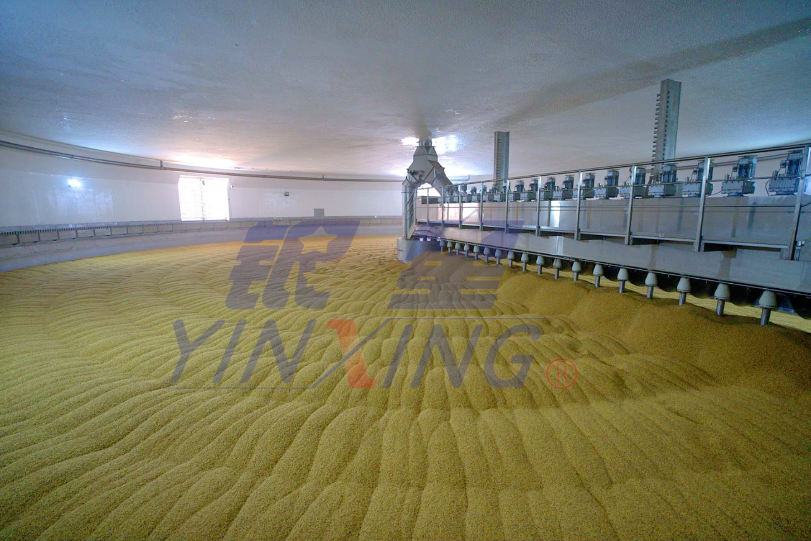
At its core, malt equipment encompasses a variety of devices and machinery designed for the malting process, which involves soaking grains, allowing them to germinate, and then drying them. This process is foundational in producing malt for beer and spirits. Key components of malt equipment include malt mills, germination boxes, and kilns, each serving a specific purpose in transforming raw grains into malted products.
One of the most critical aspects of malt equipment is the malt mill. This machine is responsible for crushing the malted grains, allowing for better extraction of sugars during the brewing process. The efficiency of the mill directly impacts the overall yield and quality of the beer or spirit produced. Opting for advanced malt mills can lead to a more uniform grind, improving the extraction rates and ultimately enhancing the flavor profiles of the final product.
Germination boxes are also a vital part of malt equipment. These temperature and humidity-controlled environments facilitate the germination of grains, a process that converts starches into fermentable sugars. Proper control of these environmental factors is essential for achieving the desired enzymatic activity and ensuring consistent malt quality. Investing in high-quality germination boxes can help manufacturers maintain rigorous standards and achieve optimal malt characteristics.
Kilns play a unique role in the malting process as well. They are used to dry the germinated grains, halting germination and stabilizing the malt. The drying temperature and duration in the kiln can significantly influence the color and flavor of the malt, which in turn affects the final product. It’s crucial for manufacturers to select kilns that offer precise temperature control and efficient energy usage, ensuring that the malt is dried evenly and without compromising its quality.
In addition to improving product quality, the right malt equipment can streamline production workflows, reduce wastage, and enhance operational efficiency. Automation technology in malt equipment allows for better monitoring and control of the malting process, minimizing human error and optimizing resource utilization.
In conclusion, investing in high-quality malt equipment is vital for manufacturers in the brewing and distilling industries. By understanding the different types and functionalities of malt equipment, businesses can enhance their production capabilities, improve product consistency, and achieve a competitive edge in the market.
Malt equipment is essential in the brewing and distillation sectors, serving as a crucial element in the production of malt products. Understanding the functionalities, types, and advantages of malt equipment can significantly enhance manufacturing efficiency and product quality.
At its core, malt equipment encompasses a variety of devices and machinery designed for the malting process, which involves soaking grains, allowing them to germinate, and then drying them. This process is foundational in producing malt for beer and spirits. Key components of malt equipment include malt mills, germination boxes, and kilns, each serving a specific purpose in transforming raw grains into malted products.
One of the most critical aspects of malt equipment is the malt mill. This machine is responsible for crushing the malted grains, allowing for better extraction of sugars during the brewing process. The efficiency of the mill directly impacts the overall yield and quality of the beer or spirit produced. Opting for advanced malt mills can lead to a more uniform grind, improving the extraction rates and ultimately enhancing the flavor profiles of the final product.
Germination boxes are also a vital part of malt equipment. These temperature and humidity-controlled environments facilitate the germination of grains, a process that converts starches into fermentable sugars. Proper control of these environmental factors is essential for achieving the desired enzymatic activity and ensuring consistent malt quality. Investing in high-quality germination boxes can help manufacturers maintain rigorous standards and achieve optimal malt characteristics.
Kilns play a unique role in the malting process as well. They are used to dry the germinated grains, halting germination and stabilizing the malt. The drying temperature and duration in the kiln can significantly influence the color and flavor of the malt, which in turn affects the final product. It’s crucial for manufacturers to select kilns that offer precise temperature control and efficient energy usage, ensuring that the malt is dried evenly and without compromising its quality.
In addition to improving product quality, the right malt equipment can streamline production workflows, reduce wastage, and enhance operational efficiency. Automation technology in malt equipment allows for better monitoring and control of the malting process, minimizing human error and optimizing resource utilization.
In conclusion, investing in high-quality malt equipment is vital for manufacturers in the brewing and distilling industries. By understanding the different types and functionalities of malt equipment, businesses can enhance their production capabilities, improve product consistency, and achieve a competitive edge in the market.
keywords
Previous Page:

What we offered to customers shall be our excellent products and distinguished services; our promises to customers shall be above anything else.


SAF Coolest v1.3.1.2 设置面板 TJHSD-ZFTW-WDZAE-ZSX
无数据提示
Sorry, the current column is being updated, please stay tuned!
You can view other sections or go back HOME