



NEWS


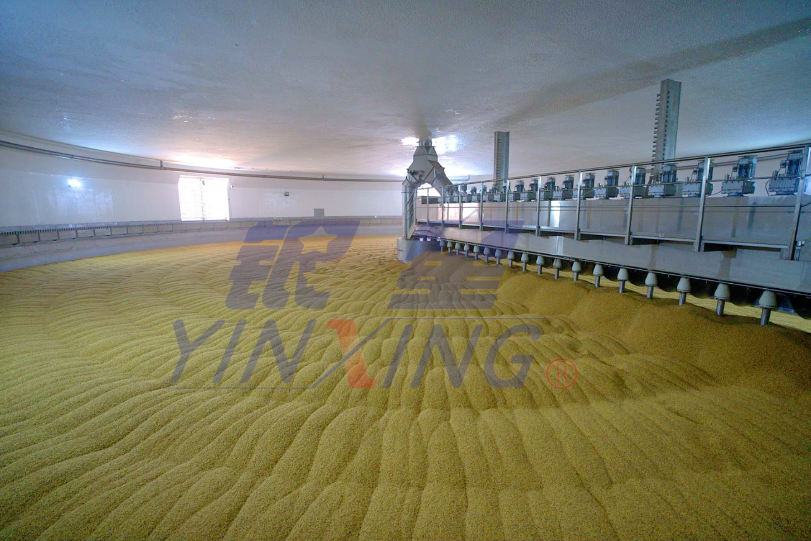

The Economic Advantages of an Efficient Malting System: Unlocking Profitability in Modern Brewing
Release time:
Jun 26,2026
The Economic Advantages of an Efficient Malting System Introduction: A Closer Look at Malting Systems In the complex world of brewing, **malting** stands as a pivotal process that not only influences the flavor of the final product but also has significant economic implications for breweries. An efficient malting system enhances production efficiency, reduces costs, and ensures the highest quality
The Economic Advantages of an Efficient Malting System
Introduction: A Closer Look at Malting Systems
In the complex world of brewing, **malting** stands as a pivotal process that not only influences the flavor of the final product but also has significant economic implications for breweries. An efficient malting system enhances production efficiency, reduces costs, and ensures the highest quality of malt. This article delves into the economic advantages of adopting advanced malting systems, showcasing how they can maximize profitability for breweries of all sizes.
1. Understanding the Malting Process
1.1 The Stages of Malting
Malting involves several key stages: **steeping**, **germination**, and **kilning**. Each stage plays a critical role in developing the characteristics of malt.
- **Steeping**: Barley grains absorb water, increasing moisture content to kickstart germination.
- **Germination**: Enzymes activate, converting starches into fermentable sugars.
- **Kilning**: The germinated grain is dried to stop the germination process, locking in flavors and enzymes.
1.2 The Importance of Quality in Malting
Quality malt is crucial for brewing. Factors such as enzyme activity, moisture content, and grain selection can significantly affect the brewing process and the final product's quality. Investing in an efficient malting system ensures consistency in these factors, leading to superior brewing outcomes.
2. Economic Benefits of an Efficient Malting System
2.1 Cost Reduction Through Automation
Automation in malting processes can lead to substantial cost savings. Automated systems can reduce labor costs by minimizing manual intervention. Additionally, they enhance precision, leading to fewer errors and waste.
- **Streamlined Operations**: Automated controls can optimize the steeping and kilning processes, ensuring uniformity and reducing energy consumption.
- **Reduced Labor Needs**: With automation, fewer staff members are required, allowing breweries to allocate resources more efficiently.
2.2 Enhanced Production Efficiency
An efficient malting system can significantly increase production throughput. By optimizing the malting process, breweries can produce larger quantities of high-quality malt in less time.
- **Faster Turnaround Times**: With improved processing times, breweries can respond quickly to market demands, thereby increasing their competitiveness.
- **Scalability**: Efficient malting systems allow for easy scaling of production, accommodating growth without a proportional increase in costs.
2.3 Quality Improvement and Its Economic Impact
High-quality malt directly translates to better beer quality, which can influence customer satisfaction and loyalty. Investing in an efficient malting system affects the quality positively.
- **Consistency in Production**: Better control over the malting process leads to uniform malt quality, which is crucial for maintaining the flavor profile of the beer.
- **Reduced Batch Losses**: High-quality malt results in fewer rejected batches, enhancing overall profitability.
2.4 Inventory Management and Waste Reduction
An efficient malting system can help breweries manage their inventory more effectively. By optimizing production schedules and reducing waste, breweries can save significantly on raw materials and storage costs.
- **Just-in-Time Production**: Efficient malting systems allow for just-in-time production, reducing the need for extensive storage facilities.
- **Minimized Waste**: Advanced systems can reduce by-products and waste, effectively lowering overall material costs.
3. Comparing Traditional vs. Efficient Malting Systems
3.1 Traditional Malting Systems: Limitations and Challenges
Traditional malting systems often struggle with consistency and efficiency. They require more manual labor, which can lead to increased operational costs and variability in product quality.
- **Labor-Intensive Processes**: Manual oversight can lead to inconsistencies in the end product, affecting the brewing process.
- **Higher Energy Costs**: Inefficient energy use in traditional malting can lead to elevated operational costs, impacting overall profitability.
3.2 Modern Efficient Malting Systems: A New Standard
Modern malting systems incorporate technology that enhances efficiency and quality while reducing costs. These systems leverage automation, data analytics, and improved process controls.
- **Smart Technology Integration**: The use of IoT and advanced sensors allows for real-time monitoring and adjustments to the malting process.
- **Sustainability**: Modern systems are designed with sustainability in mind, reducing energy consumption and minimizing environmental impact.
4. Investing in an Efficient Malting System: A Cost-Benefit Analysis
4.1 Initial Investment vs. Long-Term Profitability
While the initial cost of upgrading to an efficient malting system may seem high, a thorough cost-benefit analysis reveals significant long-term savings.
- **Return on Investment (ROI)**: The efficiency gains and cost reductions typically lead to a favorable ROI within a few years.
- **Financing Options**: Many equipment manufacturers offer financing solutions, making it easier for breweries to transition to more efficient systems.
4.2 Case Studies: Success Stories from the Industry
Examining successful breweries that have implemented efficient malting systems reveals the tangible economic benefits.
- **Brewery A**: After upgrading their malting system, Brewery A reduced production costs by 20% and improved product quality, resulting in a 30% increase in sales.
- **Brewery B**: By automating their malting process, Brewery B cut labor costs in half and achieved a 25% reduction in energy use.
5. Factors to Consider When Choosing a Malting System
5.1 Capacity Requirements
When selecting a malting system, it's essential to consider the brewery's production capacity needs. Systems should be scalable to accommodate growth without requiring a complete overhaul.
5.2 Technological Features
Look for systems that incorporate advanced technology for automation and monitoring. Features such as remote management capabilities can greatly enhance efficiency.
5.3 Supplier Support and Maintenance
Choosing a reliable supplier who offers robust support and maintenance services is crucial. This ensures the malting system remains operational with minimal downtime, maximizing production efficiency.
6. The Future of Malting Systems in Brewing
6.1 Innovations on the Horizon
The brewing industry is at the forefront of technological innovation. Emerging trends like **AI-driven malting processes** and **sustainable practices** are likely to redefine efficiency in malting.
6.2 Sustainability and Environmental Considerations
As breweries increasingly focus on sustainability, efficient malting systems will play a critical role in minimizing environmental impacts, such as reducing water and energy usage.
7. Frequently Asked Questions (FAQs)
7.1 What is the primary function of a malting system?
The primary function of a malting system is to convert cereal grains, mainly barley, into malt through a controlled process involving steeping, germination, and kilning.
7.2 How does an efficient malting system reduce brewing costs?
Efficient malting systems minimize labor and energy costs while improving production speed and product quality, leading to overall cost reductions.
7.3 What are the signs of high-quality malt?
Signs of high-quality malt include uniform color, optimal moisture levels, and a consistent flavor profile, all contributing to a successful brewing process.
7.4 Can small breweries benefit from upgrading their malting systems?
Absolutely. Small breweries can experience significant gains in quality and efficiency, which can lead to increased customer satisfaction and higher sales.
7.5 What should breweries look for in a malting system supplier?
Breweries should seek suppliers who provide comprehensive customer support, efficient maintenance services, and cutting-edge technology tailored to their specific needs.
Conclusion
In conclusion, investing in an efficient malting system presents numerous economic advantages for breweries. The ability to reduce costs, enhance production efficiency, and improve product quality can significantly impact a brewery's bottom line. By understanding the malting process and the benefits of modern systems, breweries can unlock new levels of profitability and sustainability in an increasingly competitive market. Embracing efficiency not only fosters growth but also solidifies a brewery's position as a leader in the industry. The future of brewing lies in the hands of those who choose to innovate and invest wisely in their malting systems.
keywords
Previous Page:

What we offered to customers shall be our excellent products and distinguished services; our promises to customers shall be above anything else.


SAF Coolest v1.3.1.2 设置面板 TJHSD-ZFTW-WDZAE-ZSX
无数据提示
Sorry, the current column is being updated, please stay tuned!
You can view other sections or go back HOME