



NEWS
Recent Posts

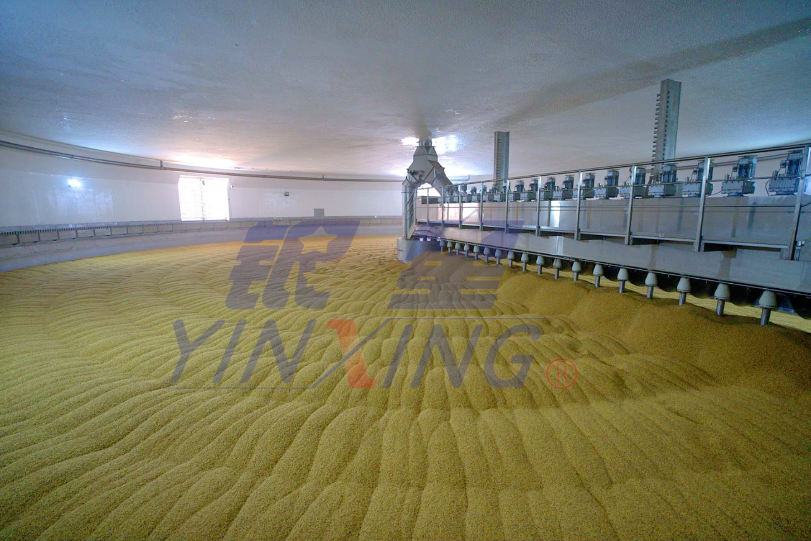


The Science Behind Germination Equipment and Seed Performance: Unlocking the Secrets to Successful Plant Growth
Release time:
May 08,2026
The Science Behind Germination Equipment and Seed Performance Understanding the complexities of seed germination is crucial for anyone involved in agriculture or horticulture. The right germination equipment can significantly influence seed performance, leading to higher germination rates and robust plant growth. In this article, we will explore the science behind germination, the types of equipme
The Science Behind Germination Equipment and Seed Performance
Understanding the complexities of seed germination is crucial for anyone involved in agriculture or horticulture. The right germination equipment can significantly influence seed performance, leading to higher germination rates and robust plant growth. In this article, we will explore the science behind germination, the types of equipment available, and how each component contributes to the overall success of plant cultivation.
Table of Contents
- What is Germination and Why Is It Important?
- The Germination Process: An Overview
- The Importance of Germination Equipment in Agriculture
- Types of Germination Equipment: Choosing the Right Tools
- How Germination Equipment Impacts Seed Performance
- Creating Optimal Conditions for Seed Germination
- Innovations in Germination Technology: What’s New?
- Best Practices for Maximizing Seed Germination
- FAQs on Germination Equipment and Seed Performance
- Conclusion
What is Germination and Why Is It Important?
Germination is the process by which a seed develops into a new plant. This fundamental biological process marks the beginning of a plant's lifecycle, transforming an inert seed into a living organism. Understanding germination is essential for enhancing crop yields, ensuring food security, and maintaining biodiversity. The success of this process is influenced by various environmental factors and the quality of germination equipment used.
The Germination Process: An Overview
The germination process can be divided into several stages:
1. Imbibition
During imbibition, seeds absorb water, swelling and softening the seed coat. This step is crucial as it initiates metabolic activities within the seed.
2. Activation
Once hydrated, the seed begins to activate its metabolic processes. Enzymes activate, converting stored food into energy, which is essential for growth.
3. Emergence
The seedling begins to emerge from the soil. The radicle (the first root) breaks through the seed coat, followed by the shoot that will develop into the plant’s stem and leaves.
The Importance of Germination Equipment in Agriculture
Germination equipment plays a pivotal role in promoting optimal conditions for seed germination. Inconsistent or suboptimal conditions can lead to poor germination rates, affecting overall crop viability. Quality germination equipment ensures that seeds receive the right amount of moisture, temperature, and light necessary for successful germination.
Types of Germination Equipment: Choosing the Right Tools
There are various types of germination equipment designed to meet specific needs:
1. Seed Germination Trays
Seed trays provide a contained environment for seeds to germinate. They often come with drainage holes and can be made from biodegradable materials, promoting eco-friendliness.
2. Propagation Domes
Propagation domes create a humid environment that enhances seed germination. They are ideal for seeds that require consistent moisture levels.
3. Soil Moisture Sensors
Soil moisture sensors monitor the moisture levels in the soil, ensuring optimal water availability for germinating seeds. This technology helps prevent overwatering or underwatering.
4. Germination Chambers
Germination chambers allow for precise control of temperature, humidity, and light. These chambers simulate ideal germination conditions and are often used in research and commercial settings.
5. Heating Mats
Heating mats provide consistent warmth to seeds, which is essential for germination, especially in cooler climates. They help maintain optimal soil temperatures for various seed types.
How Germination Equipment Impacts Seed Performance
The performance of seeds is significantly influenced by the quality of germination equipment used. Understanding the specific requirements of different seeds can help in selecting the right tools for optimal germination.
1. Temperature Control
Seeds have specific temperature ranges for germination. Germination equipment that allows for temperature control can significantly enhance germination rates, especially for temperature-sensitive species.
2. Moisture Regulation
Maintaining the right moisture level is crucial during germination. Equipment that provides consistent moisture can help prevent stress on seeds, leading to more robust seedlings.
3. Light Exposure
Some seeds require light to germinate, while others prefer darkness. Germination equipment that can adjust light conditions can cater to the needs of various seed types.
Creating Optimal Conditions for Seed Germination
To achieve successful germination, it is essential to establish optimal conditions. Here are several factors to consider:
1. Temperature
Most seeds germinate best within a specific temperature range, typically between 65°F to 75°F (18°C to 24°C). Using heating mats or germination chambers can help maintain this range.
2. Moisture
Seeds need consistent moisture without becoming waterlogged. Utilizing soil moisture sensors or propagation domes can help maintain the right balance.
3. Oxygen
Aeration is vital during the germination process. Ensuring that the seed trays or chambers allow for airflow can prevent the risk of mold and promote healthy growth.
Innovations in Germination Technology: What’s New?
The field of germination technology is constantly evolving. Recent innovations include:
1. Smart Germination Systems
Smart systems utilize sensors and automated controls to monitor and adjust environmental conditions, ensuring optimal germination without constant manual intervention.
2. Hydroponic Germination Techniques
Hydroponic systems allow seeds to germinate in nutrient-rich water solutions, providing an alternative to traditional soil-based germination methods.
3. Biodegradable Germination Kits
These eco-friendly kits are made from biodegradable materials, reducing waste while providing everything needed for seed germination in a compact package.
Best Practices for Maximizing Seed Germination
To maximize seed germination success, consider the following best practices:
1. Research Seed Requirements
Understanding the specific needs of the seeds you are using, including temperature, moisture, and light, will help you create the right conditions for germination.
2. Monitor Conditions Regularly
Keep a close eye on environmental conditions and make adjustments as necessary. Using technology such as moisture sensors can ease this process.
3. Practice Cleanliness
Maintaining a clean germination environment reduces the risk of disease and promotes healthy growth. Sterilize trays and equipment regularly.
4. Use Quality Seeds
Starting with high-quality seeds ensures that you are giving your plants the best chance of success. Consider using certified seeds for improved germination rates.
FAQs on Germination Equipment and Seed Performance
1. What is the best temperature for seed germination?
The ideal temperature for most seeds is between 65°F to 75°F (18°C to 24°C), although this can vary depending on the species.
2. How can I improve germination rates?
Improving germination rates can be achieved by ensuring optimal moisture, temperature, and light conditions, as well as using high-quality seeds.
3. What equipment is necessary for seed germination?
Essential equipment includes seed trays, propagation domes, soil moisture sensors, and heating mats, depending on your specific needs.
4. Can I use regular soil for germination?
While regular soil can be used, seed starting mixes are often lighter and provide better aeration and drainage, which is beneficial for germination.
5. How often should I water germinating seeds?
Watering should be done consistently to keep the soil moist but not waterlogged. Regular checks on moisture levels are recommended.
Conclusion
Understanding the science behind germination equipment and seed performance is essential for optimizing plant growth. By selecting the right tools, monitoring environmental conditions, and adhering to best practices, cultivators can significantly enhance germination rates and ensure robust plant development. As technology continues to evolve, staying informed about innovations in germination equipment can provide a competitive edge in the agricultural and horticultural industries. Embracing these practices will lead to fruitful outcomes, producing healthy plants that contribute to sustainable agriculture and flourishing ecosystems.
keywords
Previous Page:
Previous Page:

What we offered to customers shall be our excellent products and distinguished services; our promises to customers shall be above anything else.


SAF Coolest v1.3.1.2 设置面板 TJHSD-ZFTW-WDZAE-ZSX
无数据提示
Sorry, the current column is being updated, please stay tuned!
You can view other sections or go back HOME