



NEWS
Recent Posts


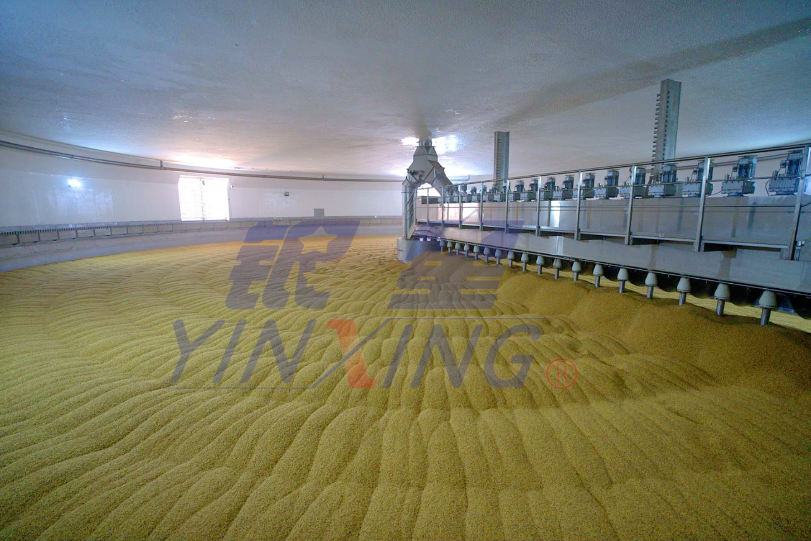
The Science Behind Malt Equipment and Its Impact on Brewing: A Comprehensive Guide
Release time:
Feb 23,2026
The Science Behind Malt Equipment and Its Impact on Brewing In the world of brewing, malt serves as the backbone of beer production, providing the sugars necessary for fermentation and contributing significantly to the beverage's flavor profile and aroma. Understanding the science behind malt equipment is crucial for both amateur brewers and seasoned professionals. This article aims to explore the
The Science Behind Malt Equipment and Its Impact on Brewing
In the world of brewing, malt serves as the backbone of beer production, providing the sugars necessary for fermentation and contributing significantly to the beverage's flavor profile and aroma. Understanding the science behind malt equipment is crucial for both amateur brewers and seasoned professionals. This article aims to explore the various malt equipment types, their functions, and how they affect the brewing process. By the end of this guide, readers will appreciate the pivotal role malt equipment plays in crafting high-quality beer.
Table of Contents
- 1. Introduction to Malt and Its Importance in Brewing
- 2. Overview of Malt Equipment: Definitions and Functions
- 3. Types of Malt Equipment Used in Brewing
- 4. The Brewing Process: How Malt Equipment Affects Quality
- 5. Innovations in Malt Equipment Technology
- 6. Choosing the Right Malt Equipment for Your Brewery
- 7. FAQs About Malt Equipment and Brewing
- 8. Conclusion: The Impact of Malt Equipment on Brewing
1. Introduction to Malt and Its Importance in Brewing
Malt is a crucial ingredient in beer brewing, derived from cereal grains, primarily barley. The malting process involves soaking grains in water, allowing them to germinate, and then drying them in a kiln. This process develops the enzymes required for converting starches into fermentable sugars during brewing. Without malt, the brewing process would lack the essential sugars, flavors, and colors that define various beer styles. Different malt varieties contribute distinct flavors and characteristics to the finished product, making the selection of malt critical in the brewing process.
2. Overview of Malt Equipment: Definitions and Functions
Malt equipment encompasses a range of machinery and tools necessary for managing and processing malt. This equipment aids in the efficient handling, processing, and transformation of malted grains into a form that can be used in brewing. Understanding each piece of equipment and its function will shed light on the overall brewing process and the quality of the final product.
3. Types of Malt Equipment Used in Brewing
Brewing operations rely on various types of malt equipment to ensure the malt is processed efficiently and effectively. Here are some essential types of malt equipment commonly used in breweries:
3.1 Malt Mills
Malt mills are designed to crush malted grains into a coarse powder known as grist. This process creates a larger surface area, allowing for better extraction of sugars during the mash process. Different types of malt mills, such as roller mills and hammer mills, cater to varying production needs. A properly set malt mill can significantly improve brewhouse efficiency.
3.2 Malt Elevators
Malt elevators are used to transport malted grains from one area of the brewery to another, typically from storage silos to the milling area. These elevators ensure that the malt is moved efficiently and safely, reducing the risk of contamination and maintaining the quality of the malt.
3.3 Lauter Tuns
Lauter tuns are vessels where the mash is separated into wort and spent grains. This equipment is equipped with a false bottom or slotted plate that allows liquid to pass through while retaining solid grain particles. The efficiency of the lautering process directly impacts the extraction of sugars from the malt, making it a critical component of the brewing process.
3.4 Mash Tuns
Mash tuns are where the crushed malt is mixed with hot water during the mashing process. The heat activates enzymes that convert starches into fermentable sugars. The design of a mash tun, including its insulation and heating elements, can influence the efficiency of this conversion process and ultimately affect the beer's flavor profile.
3.5 Malt Silos
Malt silos are storage facilities for bulk malted grains. They protect the malt from moisture and pests, ensuring that it remains in optimal condition until it is needed for brewing. Properly designed silos with controlled environments can prolong the shelf life of malt and maintain its quality.
4. The Brewing Process: How Malt Equipment Affects Quality
The brewing process consists of several stages, each of which can be influenced by the quality and type of malt equipment used. Efficient malt processing equipment can enhance the overall quality of the beer produced.
4.1 The Role of Malt Milling
The milling of malt is a critical step that significantly impacts the brewing process. A well-adjusted malt mill ensures consistent grist size, which promotes even extraction of sugars during mashing. If the grains are too finely milled, it can lead to a stuck mash, while overly coarse milling may result in inadequate sugar extraction. Therefore, the choice of milling equipment and the precision of its operation are vital for optimal brewing results.
4.2 Importance of the Lautering Process
The lautering process separates the liquid wort from the solid grain husks. The efficiency of this process is highly dependent on the design of the lauter tun and the technique used for lautering. A well-designed lauter tun will maximize the extraction of sugars while minimizing the amount of unwanted solids in the final wort. The quality of the wort directly affects fermentation and, consequently, the flavor of the finished beer.
5. Innovations in Malt Equipment Technology
The brewing industry continually evolves, introducing new technologies aimed at improving efficiency and the quality of beer production. Recent innovations in malt equipment include advanced milling technologies, automated systems for monitoring and controlling malt processing, and enhanced cleaning technologies to maintain equipment hygiene. These advancements allow breweries to optimize their processes, reduce waste, and produce higher-quality beers consistently.
6. Choosing the Right Malt Equipment for Your Brewery
Selecting the appropriate malt equipment is crucial for any brewing operation, whether it’s a small craft brewery or a large-scale production facility. Factors to consider include production capacity, the types of beer being brewed, budget constraints, and the brewery's space limitations. Collaborating with equipment manufacturers to assess specific needs can lead to better decisions that enhance efficiency and product quality.
7. FAQs About Malt Equipment and Brewing
7.1 What is the purpose of malt equipment in brewing?
Malt equipment is essential for processing malted grains, ensuring the efficient extraction of sugars needed for fermentation, and maintaining the quality of the brewing process.
7.2 How does malt milling affect beer quality?
Proper malt milling creates a consistent grist size, which is crucial for optimal sugar extraction during mashing. Inadequate milling can lead to poor extraction and negatively impact beer flavor.
7.3 What type of malt equipment is best for small breweries?
Small breweries may benefit from compact, versatile equipment, such as smaller malt mills and mash tuns designed for limited space but capable of efficient operation and quality output.
7.4 How often should malt equipment be cleaned?
Regular cleaning schedules vary based on usage, but it’s generally recommended to clean malt equipment after each brewing cycle to prevent contamination and ensure optimal performance.
7.5 Are there sustainable options for malt equipment?
Yes, many manufacturers now offer sustainable malt equipment designed to minimize energy consumption and waste while maintaining high-quality production standards.
8. Conclusion: The Impact of Malt Equipment on Brewing
In summary, malt equipment plays a significant role in shaping the brewing process and the quality of beer produced. Understanding the functions and importance of various malt equipment types, from mills and silos to lauter tuns, allows brewers to optimize their operations effectively. Innovations in technology continue to enhance efficiency and quality, ensuring that breweries can meet the ever-growing demand for superior beer. As we advance in brewing practices, the science behind malt equipment remains a fundamental aspect of creating exceptional brews that delight beer enthusiasts worldwide.
keywords
Previous Page:

What we offered to customers shall be our excellent products and distinguished services; our promises to customers shall be above anything else.


SAF Coolest v1.3.1.2 设置面板 TJHSD-ZFTW-WDZAE-ZSX
无数据提示
Sorry, the current column is being updated, please stay tuned!
You can view other sections or go back HOME