



NEWS
Recent Posts


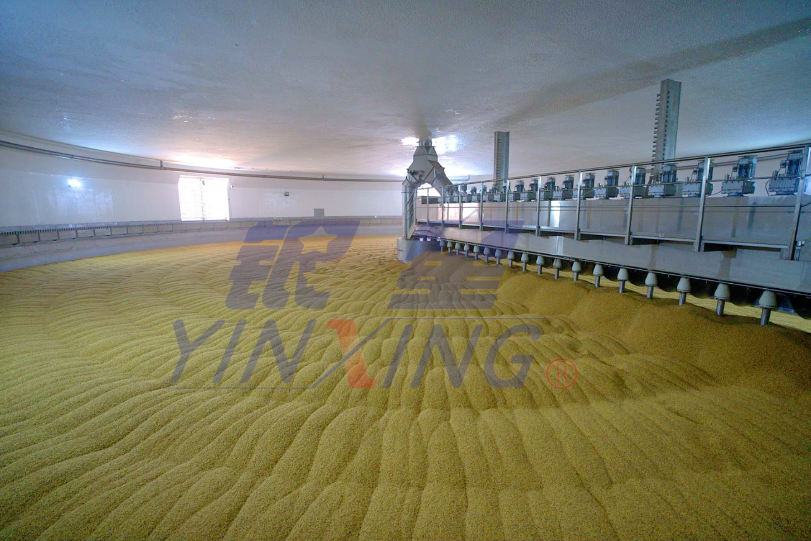
Malt Equipment Trends to Watch in the Brewing Industry: Navigating Innovations and Sustainability
Release time:
Jan 11,2026
Malt Equipment Trends to Watch in the Brewing Industry Introduction: The Evolving Landscape of Brewing The brewing industry is undergoing significant transformations, driven by evolving consumer preferences, technological advancements, and a growing emphasis on sustainability. As brewers and manufacturers strive to maintain a competitive edge, staying informed about the latest malt equipment t
Malt Equipment Trends to Watch in the Brewing Industry
Introduction: The Evolving Landscape of Brewing
The brewing industry is undergoing significant transformations, driven by evolving consumer preferences, technological advancements, and a growing emphasis on sustainability. As brewers and manufacturers strive to maintain a competitive edge, staying informed about the latest malt equipment trends becomes crucial. This article delves into the emerging trends in malt equipment, highlighting innovations that are shaping the future of brewing.
Understanding the Role of Malt in Brewing
Malt serves as a foundational ingredient in beer production, influencing flavor, color, and body. The quality of malt can significantly impact the final product, making it essential for brewers to invest in state-of-the-art malt equipment. As we explore current trends, it's important to recognize how advancements in malt processing can enhance the overall brewing experience.
1. Automation and Smart Technologies
The integration of automation and smart technologies is a leading trend in malt equipment. Automated systems can streamline the malting process, reducing labor costs and enhancing efficiency. Key components of this trend include:
1.1 Internet of Things (IoT) in Brewing
IoT technology allows brewers to monitor and control malt equipment remotely, ensuring optimal conditions for malting and brewing. Sensors can provide real-time data on temperature, humidity, and grain moisture levels, enabling precise adjustments.
1.2 Predictive Maintenance
With the implementation of predictive maintenance solutions, brewers can anticipate equipment failures and schedule maintenance proactively. This not only minimizes downtime but also extends the lifespan of malt equipment.
2. Sustainable Malt Production Practices
Sustainability is at the forefront of many industries, and brewing is no exception. The shift toward environmentally friendly practices is prompting breweries to adopt sustainable malt production methods, including:
2.1 Energy-Efficient Malt Equipment
Advancements in energy-efficient malt equipment are allowing breweries to reduce their carbon footprint. Equipment designed to operate on renewable energy sources or minimize energy consumption is increasingly sought after.
2.2 Water Conservation Techniques
Water usage is a critical concern in both malting and brewing processes. Modern malt equipment is now being designed to recycle water and reduce overall consumption, aligning with global sustainability goals.
3. Enhanced Quality Control Mechanisms
Quality control is paramount in brewing, and recent advancements in malt equipment are enhancing the ability to maintain consistent quality. Technological improvements include:
3.1 Advanced Laboratory Equipment
Investments in laboratory equipment for quality analysis allow brewers to conduct thorough testing of malt properties. This ensures that only the best quality malt is used in brewing, ultimately leading to superior beer products.
3.2 Real-Time Monitoring Systems
Implementing real-time monitoring systems helps breweries maintain control over the malting process, allowing for adjustments that can enhance the quality of malt produced.
4. Customization and Flexibility in Malt Equipment
As consumer tastes evolve, there is an increasing demand for diverse beer styles. This trend necessitates malt equipment that offers customization and flexibility:
4.1 Modular Malt Systems
Modular malt systems enable breweries to adjust their equipment configuration based on production needs. This flexibility allows for the creation of various malt types without extensive retooling.
4.2 Tailored Malt Profiles
Breweries are increasingly interested in producing unique malt profiles to cater to niche markets. Advanced malt equipment can assist in creating custom malt blends that align with specific flavor profiles.
5. Digital Integration of Malt Equipment
Digital integration is revolutionizing how breweries operate, with data management playing a vital role in optimizing processes. The incorporation of digital tools includes:
5.1 Cloud-Based Management Systems
Cloud-based systems enable brewers to store and analyze data from their malt equipment, facilitating better decision-making and operational efficiency.
5.2 Enhanced Communication Tools
Effective communication between different departments within a brewery is essential. Digital tools that facilitate seamless communication can lead to improved collaboration and product quality.
The Future of Malt Equipment in the Brewing Industry
The future of malt equipment appears promising, with ongoing innovations poised to address the challenges faced by brewers. As technology continues to advance, we can anticipate:
1. Greater Focus on Sustainability
Sustainability will remain a driving force in malt equipment development. Brewers will increasingly prioritize equipment that minimizes environmental impact while maintaining product quality.
2. Continued Emphasis on Quality and Consistency
Quality will remain a top priority, with innovations in malt equipment enhancing brewers' ability to produce consistent, high-quality malt.
3. Embracing New Brewing Styles
As craft beer culture continues to thrive, malt equipment that supports the production of various beer styles will become increasingly important. Customizable systems will allow brewers to experiment with new flavors and techniques.
Frequently Asked Questions (FAQs)
1. What are the key trends in malt equipment for 2023?
Key trends include automation, sustainability, enhanced quality control, customization, and digital integration.
2. How does automation improve brewing efficiency?
Automation reduces labor costs, streamlines processes, and allows for real-time monitoring, leading to increased efficiency.
3. Why is sustainability important in malt production?
Sustainability helps reduce the environmental impact of brewing, aligns with consumer preferences, and encourages responsible resource management.
4. What role does technology play in quality control?
Advanced technology improves the ability to monitor malt quality in real-time and ensures consistent standards are met during production.
5. How can breweries customize their malt profiles?
Breweries can use modular malt systems and advanced equipment to create unique malt blends tailored to specific flavor profiles.
Conclusion: Staying Ahead in the Brewing Industry
The brewing industry is experiencing a remarkable evolution, with malt equipment trends leading the charge for innovation, sustainability, and quality enhancement. By embracing these advancements, brewers can not only meet consumer demands but also position themselves for long-term success in a competitive market. As we watch these trends unfold, it becomes clear that investing in modern malt equipment is essential for brewers looking to thrive in the dynamic landscape of the brewing industry.
keywords
Previous Page:

What we offered to customers shall be our excellent products and distinguished services; our promises to customers shall be above anything else.


SAF Coolest v1.3.1.2 设置面板 TJHSD-ZFTW-WDZAE-ZSX
无数据提示
Sorry, the current column is being updated, please stay tuned!
You can view other sections or go back HOME