



NEWS
Recent Posts


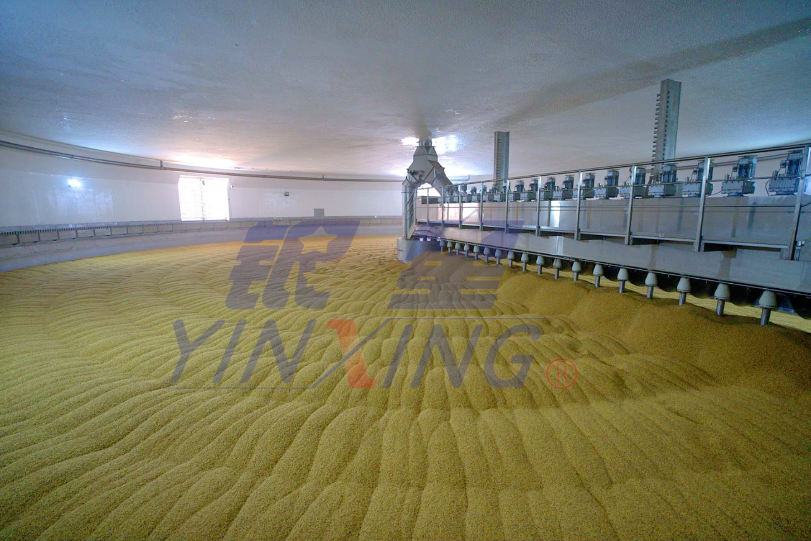
Understanding the Malting System: A Key Process in Brewing and Distilling
Release time:
Jan 10,2026
--- The malting system is an essential process in the production of malt, which is a primary ingredient in brewing beer and distilling spirits. This intricate system transforms raw grains, primarily barley, into malted grains that possess the necessary enzymes and flavors for fermentation. Understanding the malting system is vital for anyone involved in the manufacturing and processing of beverage
---
The malting system is an essential process in the production of malt, which is a primary ingredient in brewing beer and distilling spirits. This intricate system transforms raw grains, primarily barley, into malted grains that possess the necessary enzymes and flavors for fermentation. Understanding the malting system is vital for anyone involved in the manufacturing and processing of beverages, as it greatly influences the final product's quality and taste.
The malting process consists of several stages: germination, kilning, and cooling. Initially, the grains are soaked in water, allowing them to absorb moisture and begin germination. During this critical phase, enzymes are activated that start breaking down the starches in the grain into simpler sugars. These sugars are crucial for fermentation, as yeast will later convert them into alcohol and carbon dioxide.
Once germination reaches the desired level, the grains are dried in a kiln. This drying process halts germination by removing moisture while simultaneously developing the grain’s flavor and color. The temperature and duration of kilning can greatly affect the malt’s characteristics, influencing the final product's flavor profile, ranging from light and crisp to dark and robust.
After kilning, the malt is cooled and then prepared for milling, which involves grinding the grains into a coarse powder known as grist. This grist is mixed with hot water in a process called mashing, where additional enzymes convert remaining starches into fermentable sugars. The efficiency of the malting system directly impacts the yield of sugars, which are essential for brewing and distillation.
Moreover, the malting system is not only about producing malt but also about ensuring consistency and quality in the manufacturing process. Advanced malting systems often utilize automation and monitoring technologies to maintain optimal conditions during germination and kilning, resulting in a more uniform product. This consistency is crucial for manufacturers who aim to deliver high-quality beverages to consumers.
In summary, the malting system is a fundamental component of the beverage industry, affecting both the quality and efficiency of malt production. By understanding the intricacies of this process, manufacturers can better control the characteristics of their final products and meet the diverse preferences of consumers. Whether you are involved in brewing, distilling, or related manufacturing processes, a solid grasp of the malting system can enhance your understanding of ingredient preparation and ultimately lead to superior beverages.
The malting system is an essential process in the production of malt, which is a primary ingredient in brewing beer and distilling spirits. This intricate system transforms raw grains, primarily barley, into malted grains that possess the necessary enzymes and flavors for fermentation. Understanding the malting system is vital for anyone involved in the manufacturing and processing of beverages, as it greatly influences the final product's quality and taste.
The malting process consists of several stages: germination, kilning, and cooling. Initially, the grains are soaked in water, allowing them to absorb moisture and begin germination. During this critical phase, enzymes are activated that start breaking down the starches in the grain into simpler sugars. These sugars are crucial for fermentation, as yeast will later convert them into alcohol and carbon dioxide.
Once germination reaches the desired level, the grains are dried in a kiln. This drying process halts germination by removing moisture while simultaneously developing the grain’s flavor and color. The temperature and duration of kilning can greatly affect the malt’s characteristics, influencing the final product's flavor profile, ranging from light and crisp to dark and robust.
After kilning, the malt is cooled and then prepared for milling, which involves grinding the grains into a coarse powder known as grist. This grist is mixed with hot water in a process called mashing, where additional enzymes convert remaining starches into fermentable sugars. The efficiency of the malting system directly impacts the yield of sugars, which are essential for brewing and distillation.
Moreover, the malting system is not only about producing malt but also about ensuring consistency and quality in the manufacturing process. Advanced malting systems often utilize automation and monitoring technologies to maintain optimal conditions during germination and kilning, resulting in a more uniform product. This consistency is crucial for manufacturers who aim to deliver high-quality beverages to consumers.
In summary, the malting system is a fundamental component of the beverage industry, affecting both the quality and efficiency of malt production. By understanding the intricacies of this process, manufacturers can better control the characteristics of their final products and meet the diverse preferences of consumers. Whether you are involved in brewing, distilling, or related manufacturing processes, a solid grasp of the malting system can enhance your understanding of ingredient preparation and ultimately lead to superior beverages.
keywords

What we offered to customers shall be our excellent products and distinguished services; our promises to customers shall be above anything else.


SAF Coolest v1.3.1.2 设置面板 TJHSD-ZFTW-WDZAE-ZSX
无数据提示
Sorry, the current column is being updated, please stay tuned!
You can view other sections or go back HOME